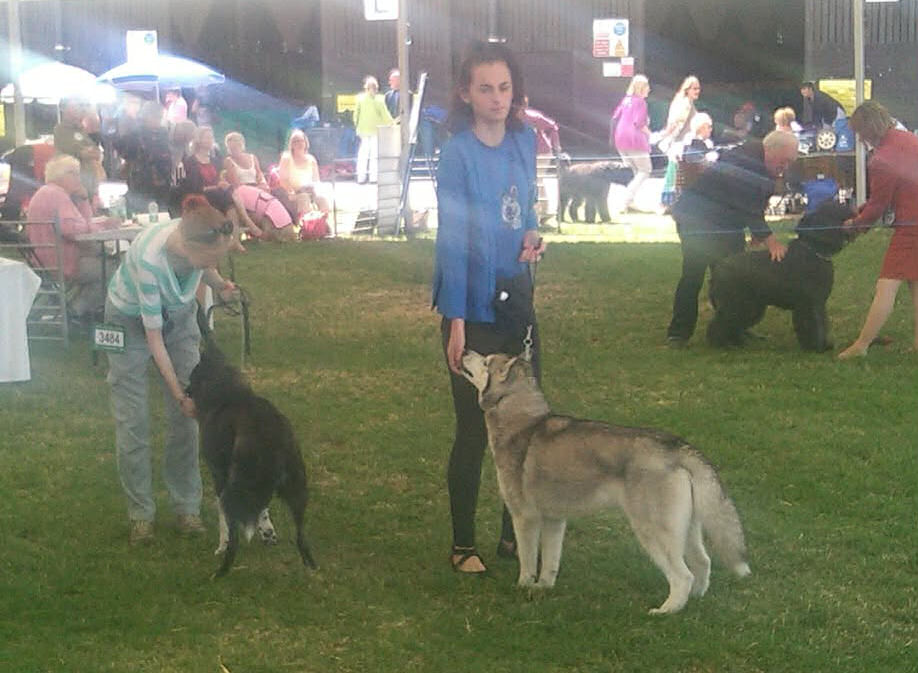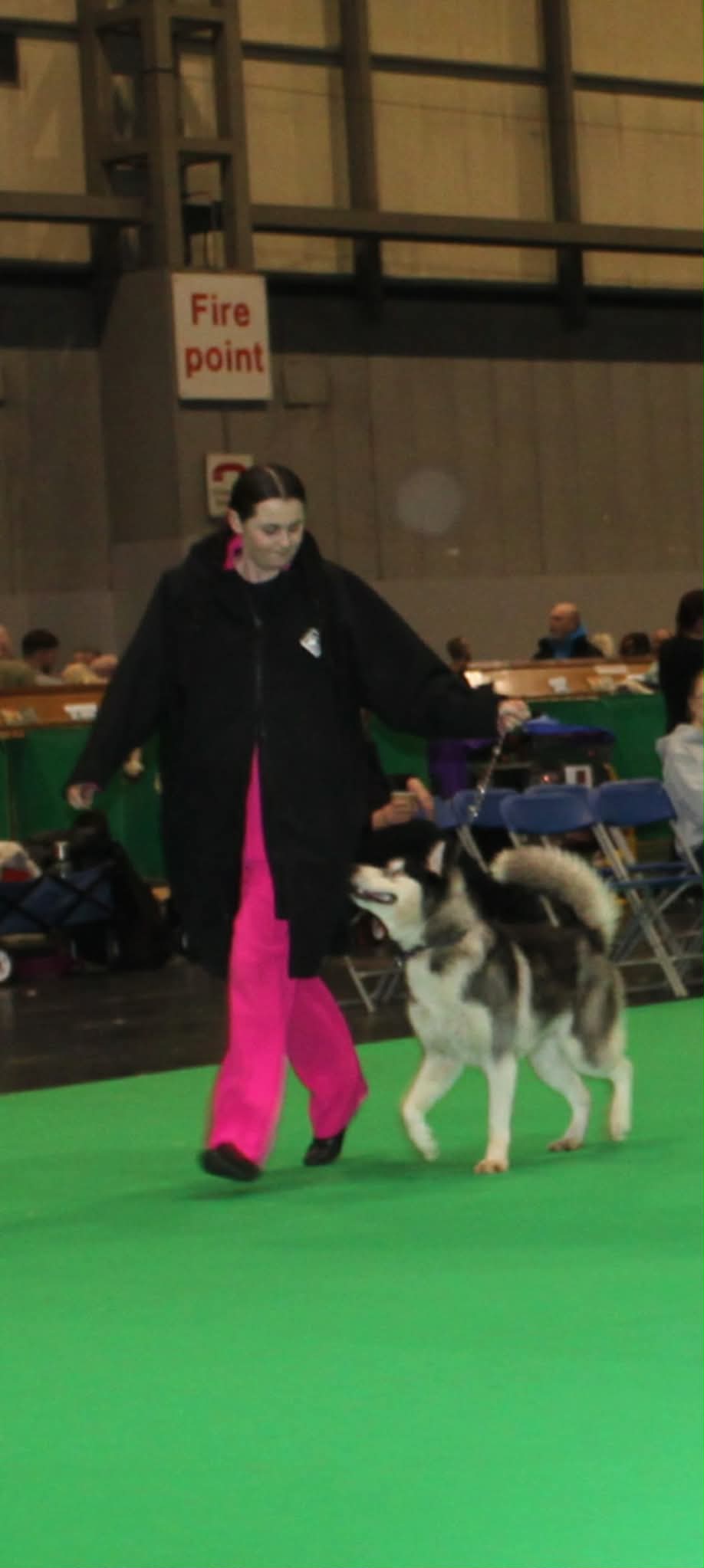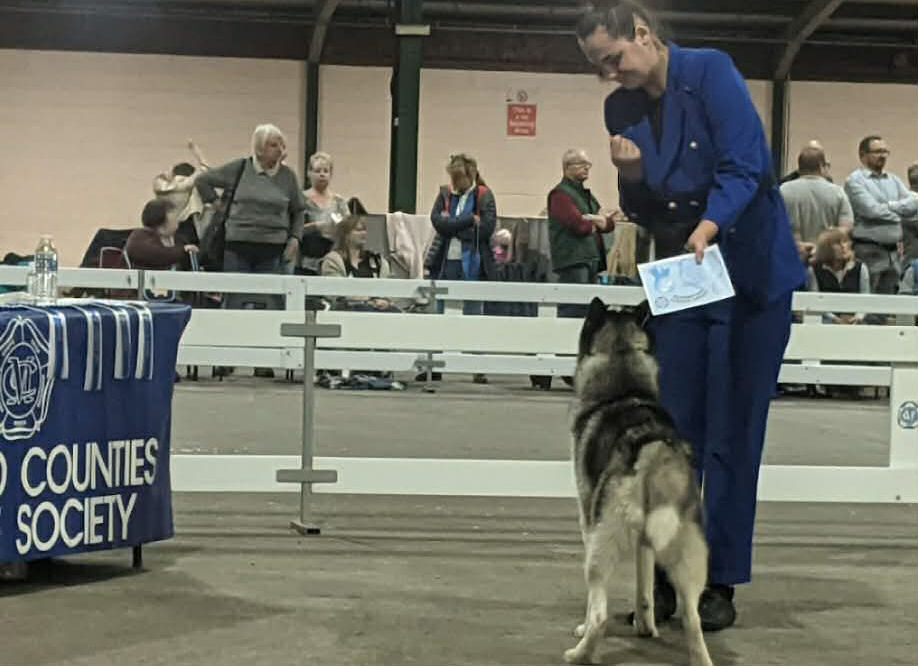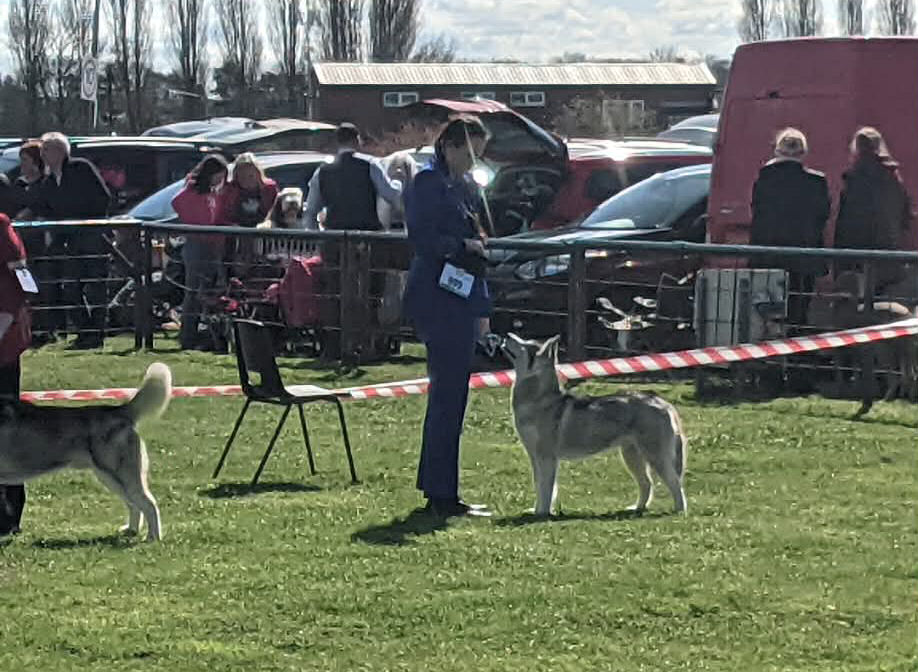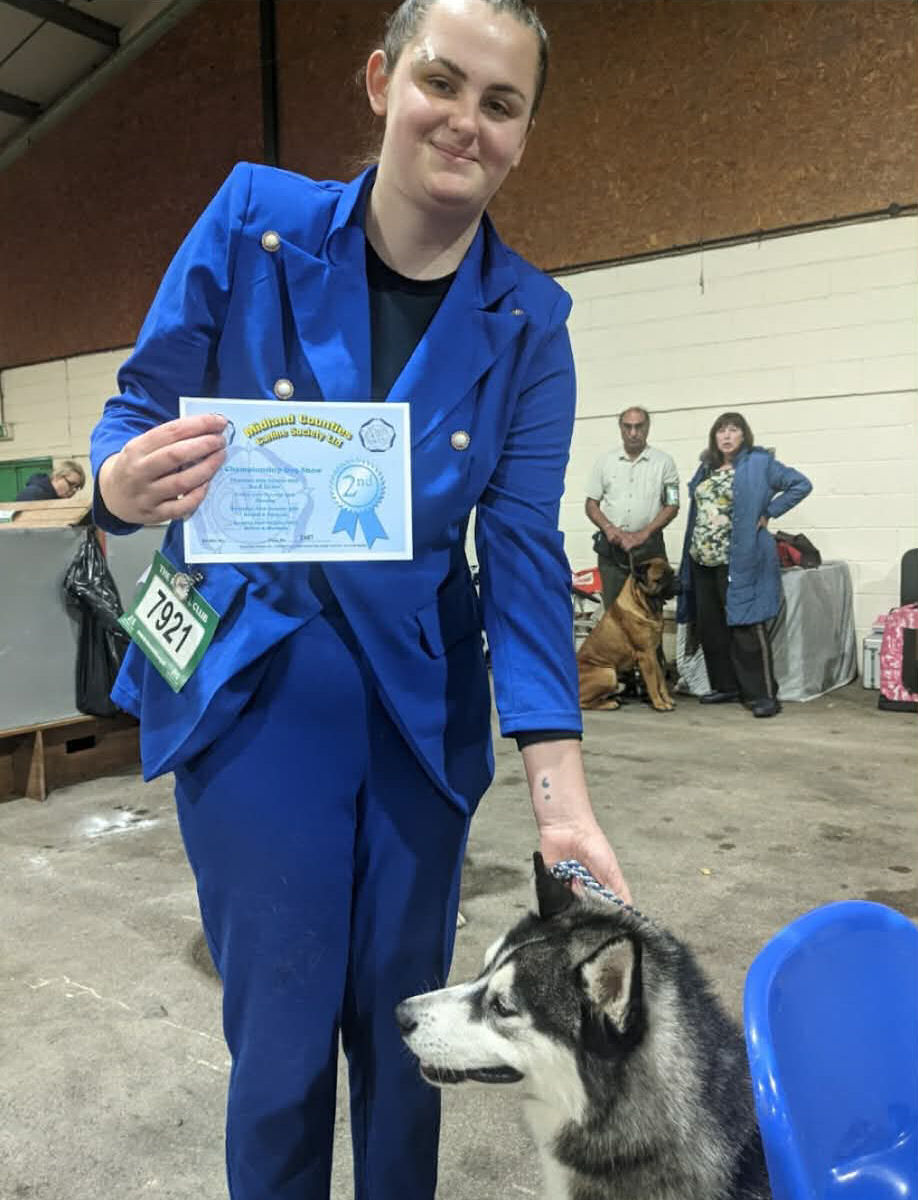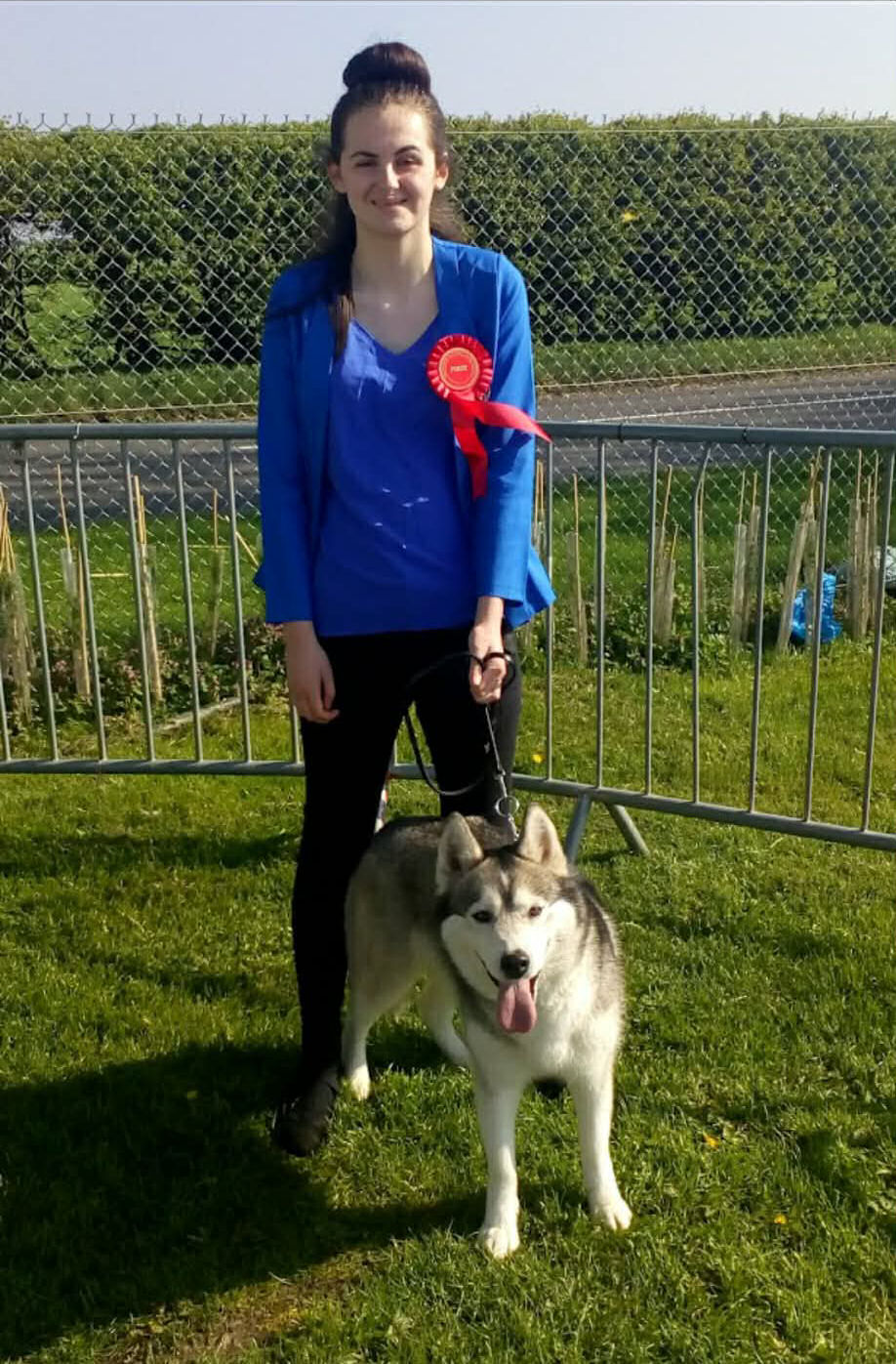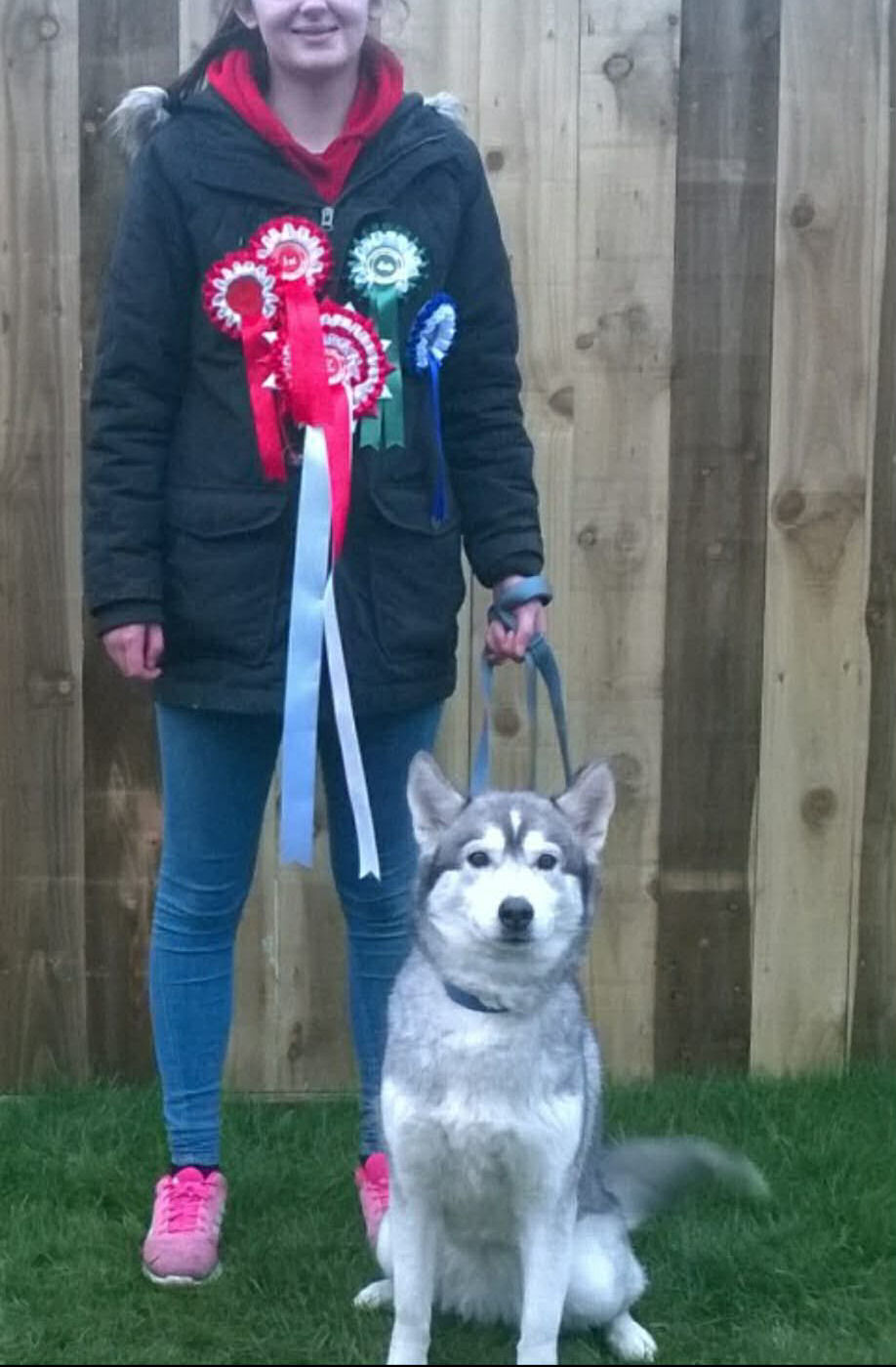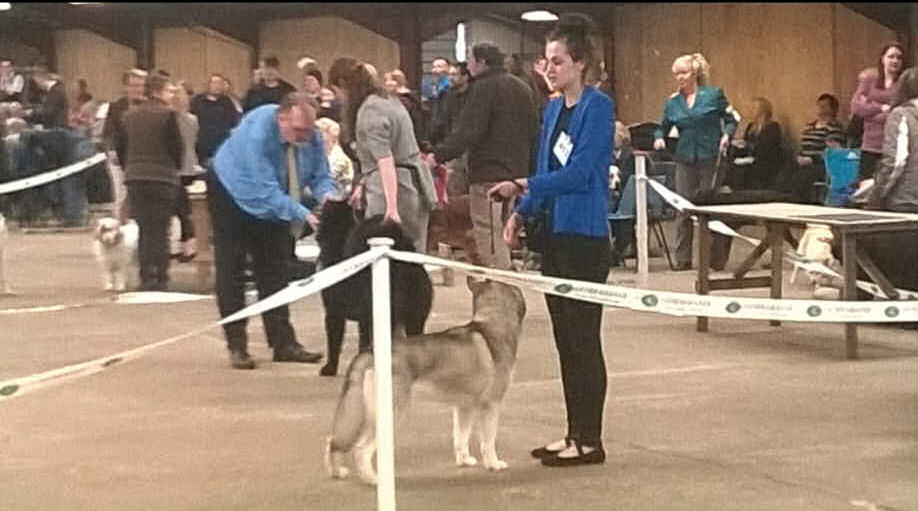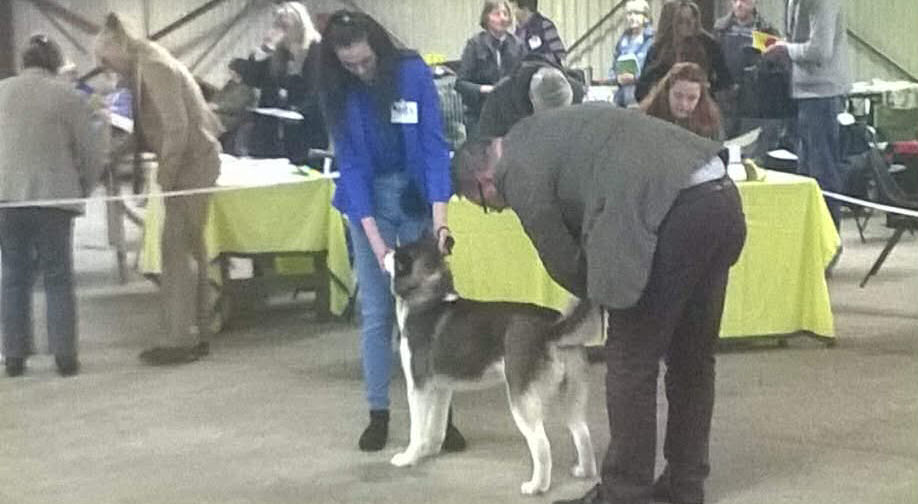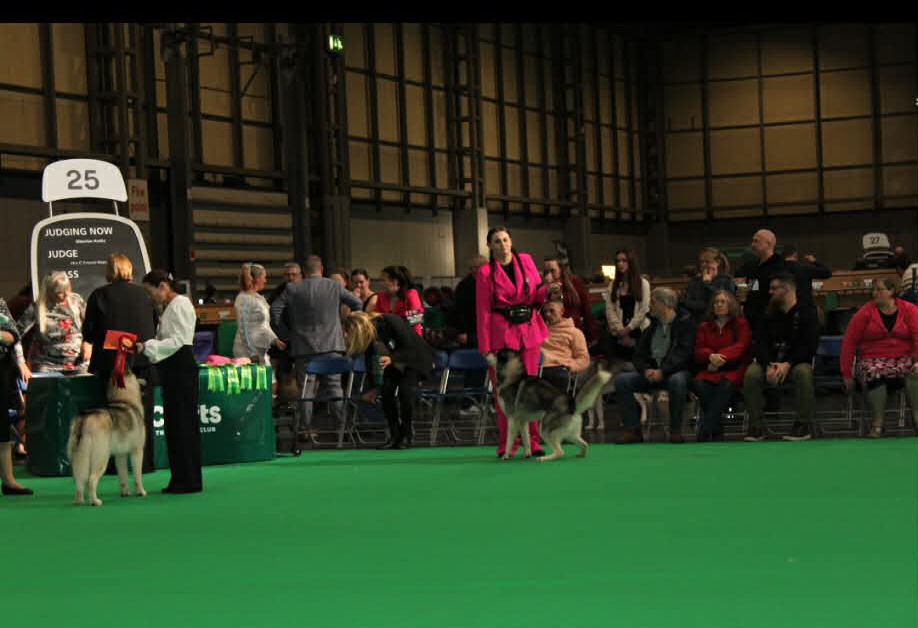
Ringcraft

Ringcraft- where to train your dog

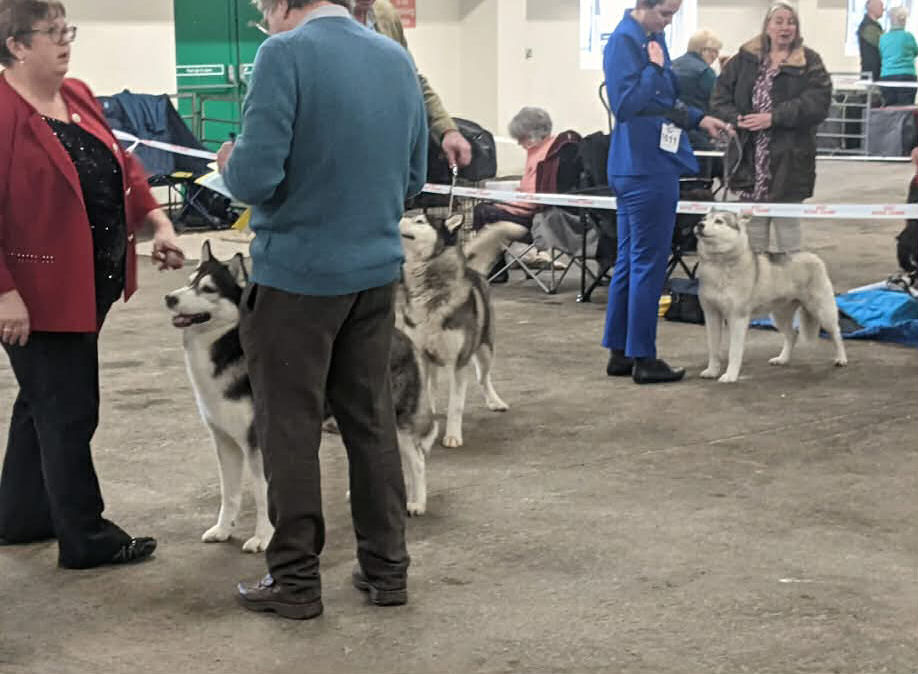
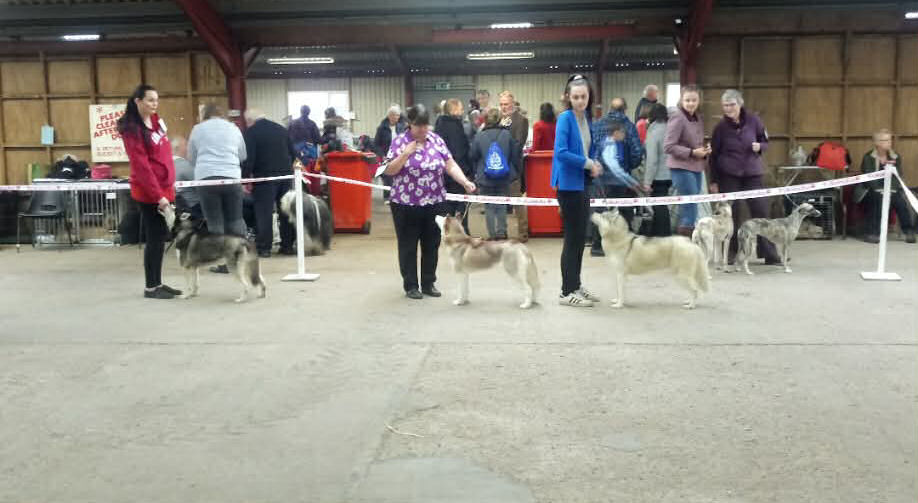
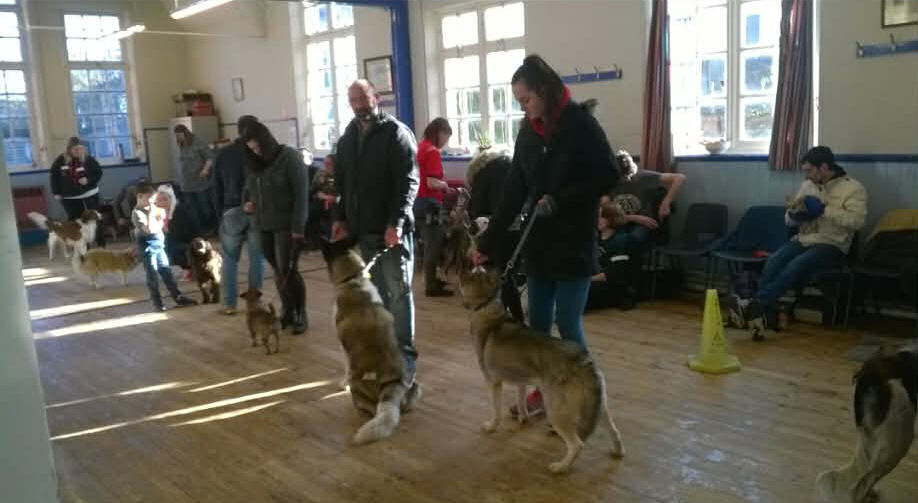
Ringcraft is the best place to train your dog for the show ring.

To train your dog at a ringcraft class, your dog must not be a champion and must be KC registered.

A ringcraft class not only focuses on preparing your dog for the show ring, but also you as the handler.

The dog does not need to be owned by yourself to show or train and can also be co-owned with someone else.

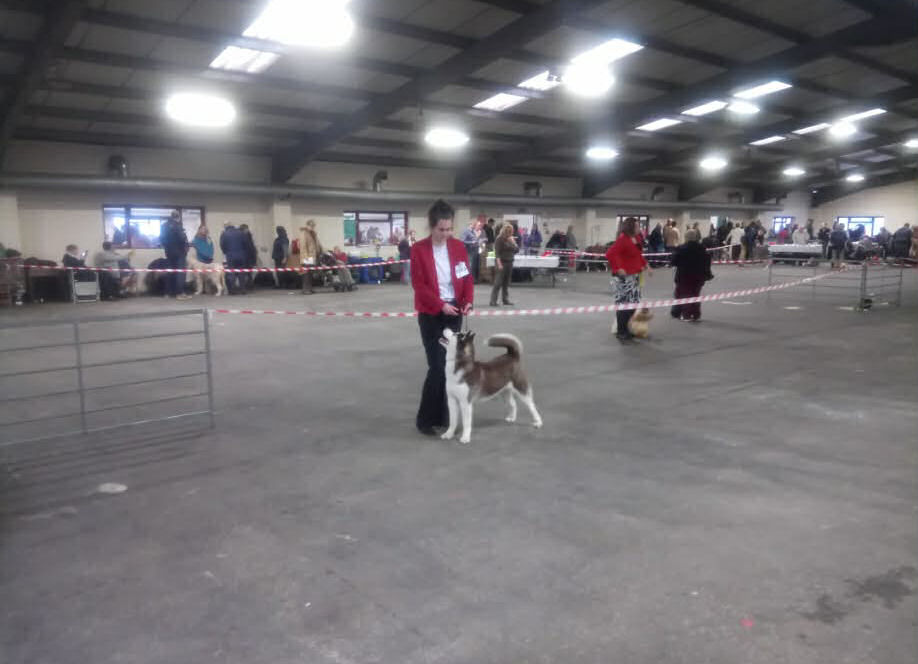
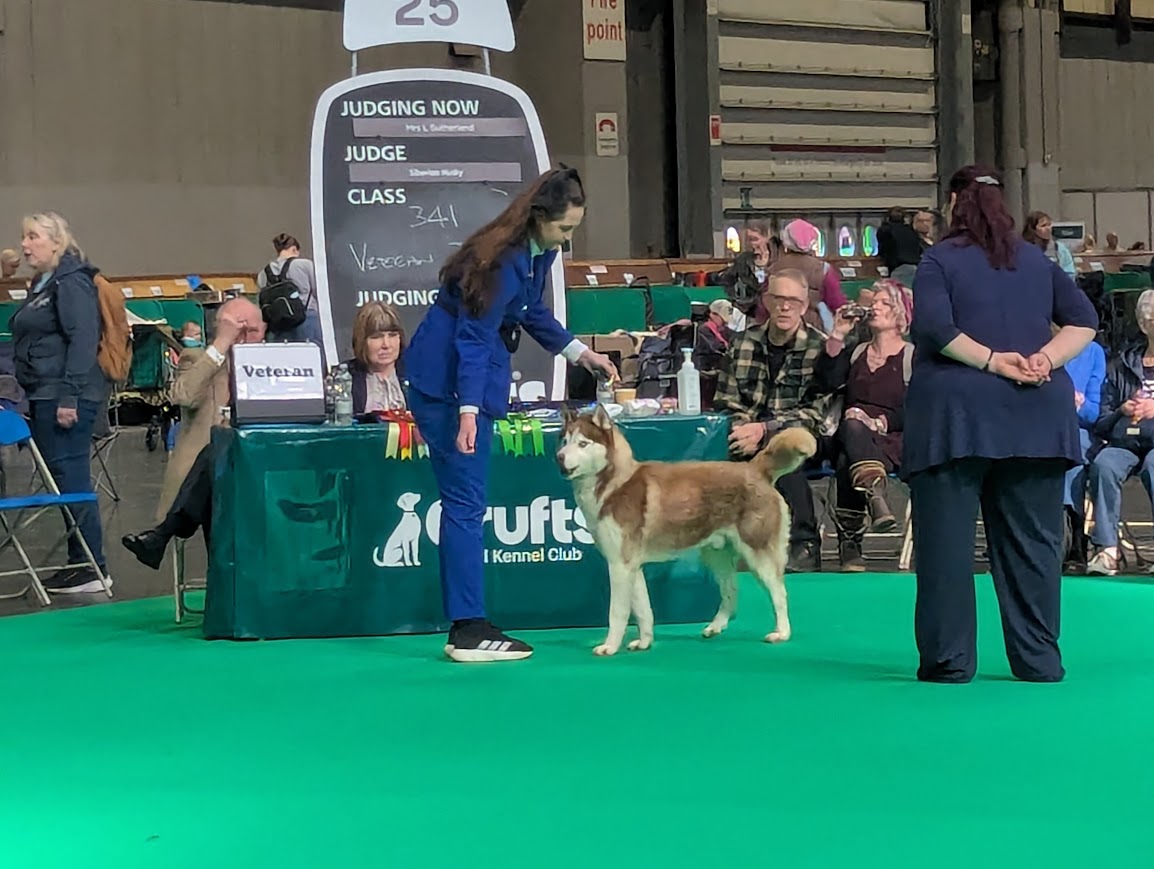
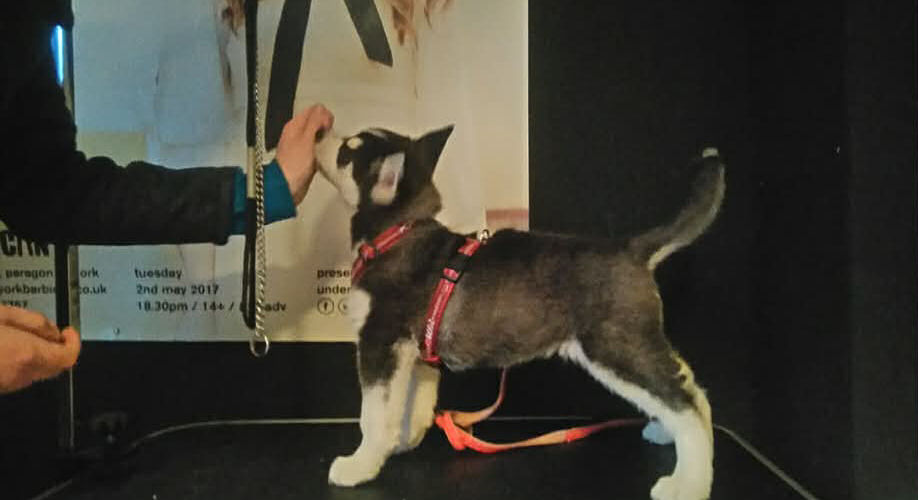
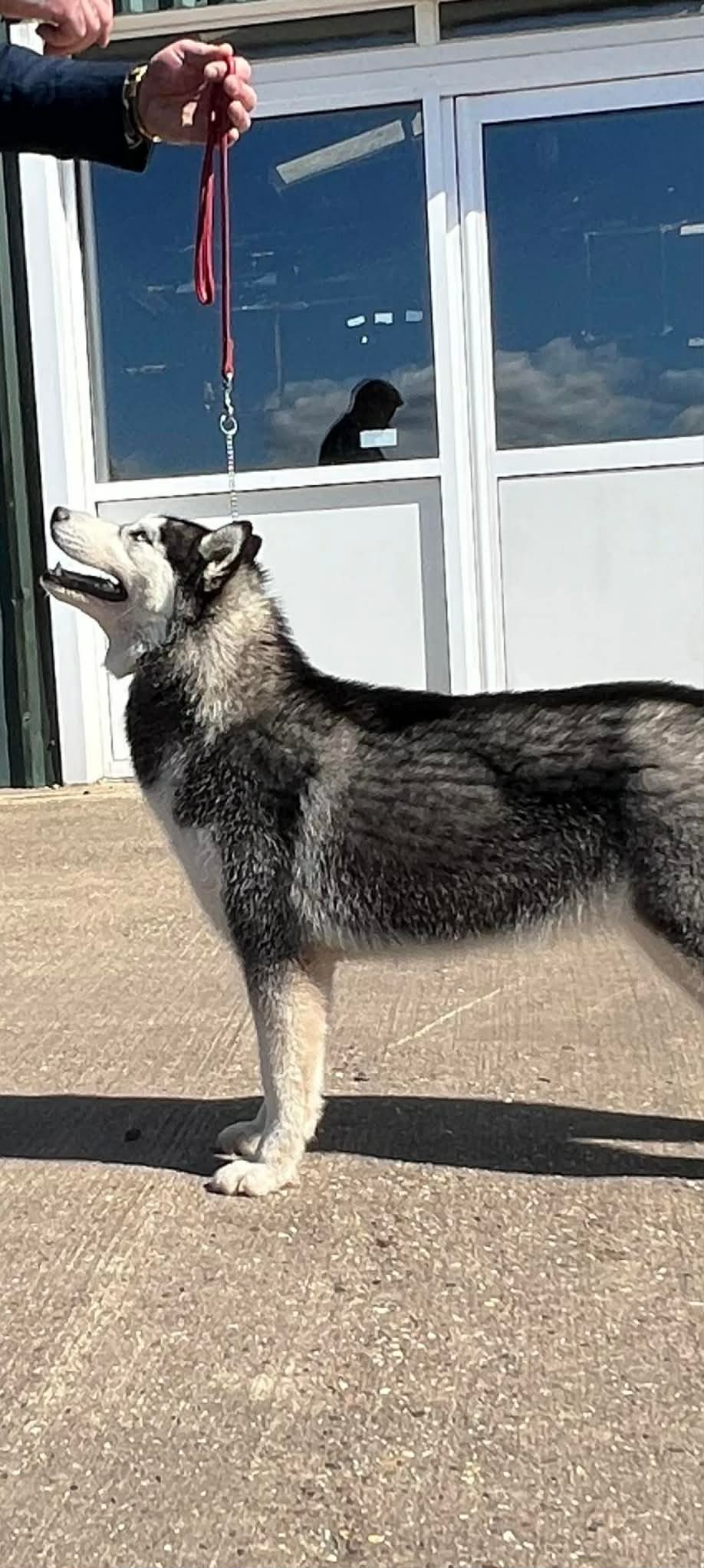
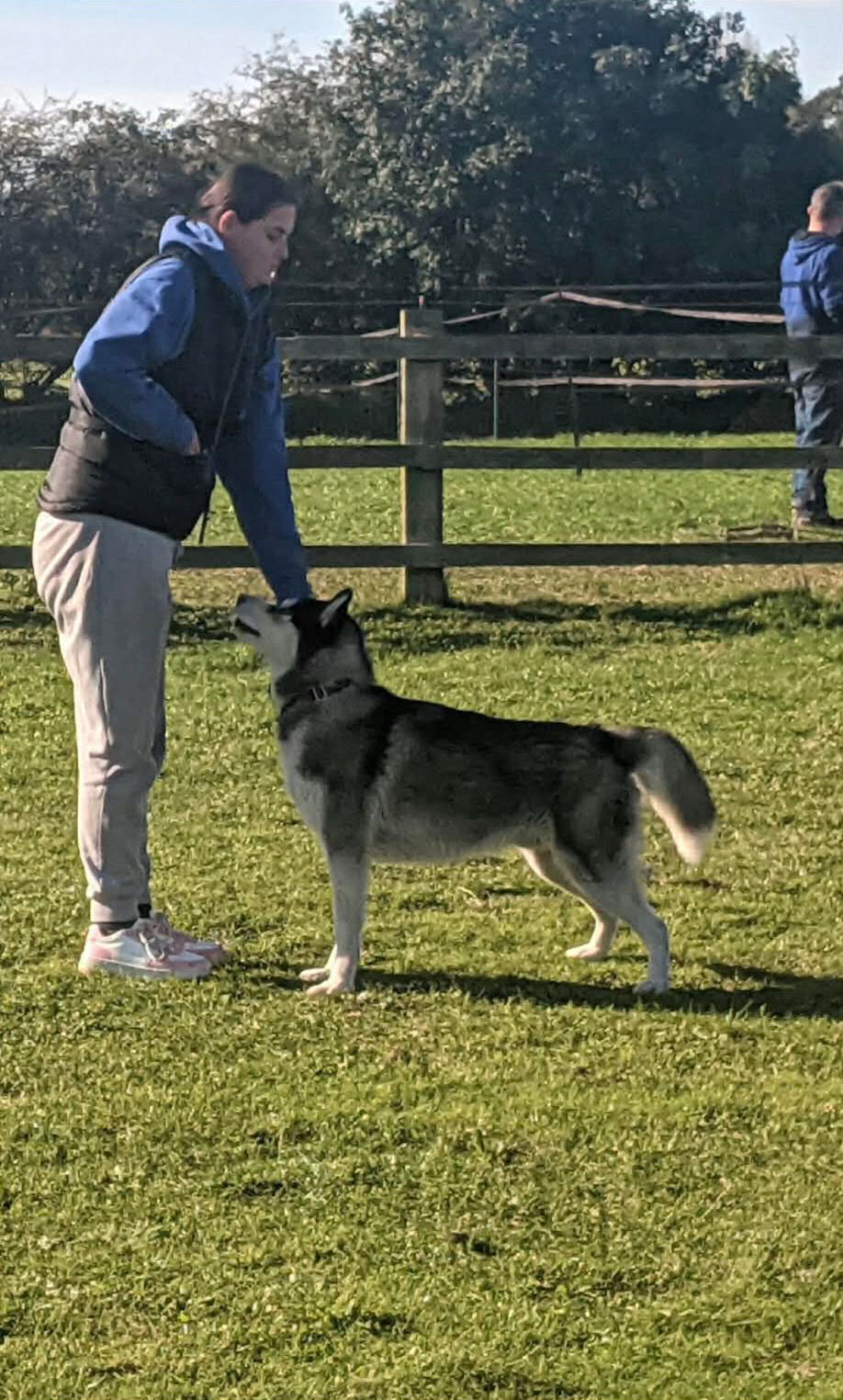
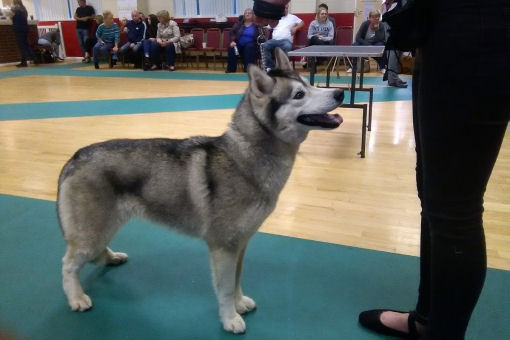
The class itself will consist of many activities such as learning in-ring terminology e.g. stacking- the placing of the dog’s legs to show its correct confirmation.

You will also be taught what goes on at a show and in the ring and how to work together as one with your dog.

The trainers may also have you participate in short games to develop your progress and understanding.

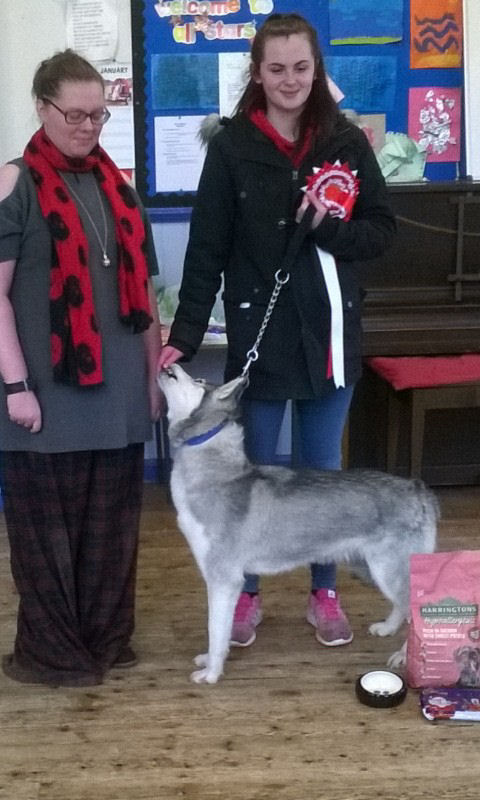
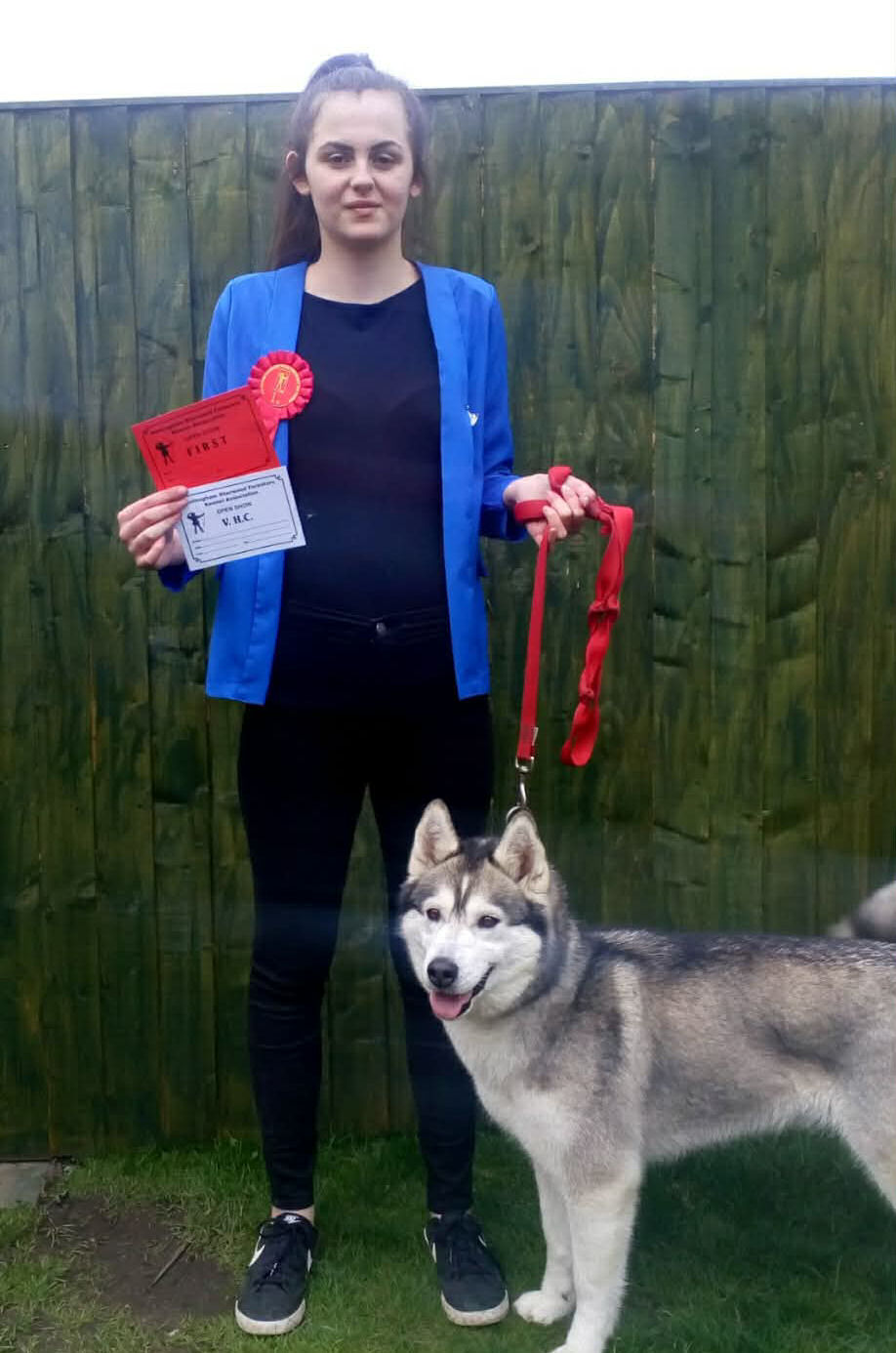
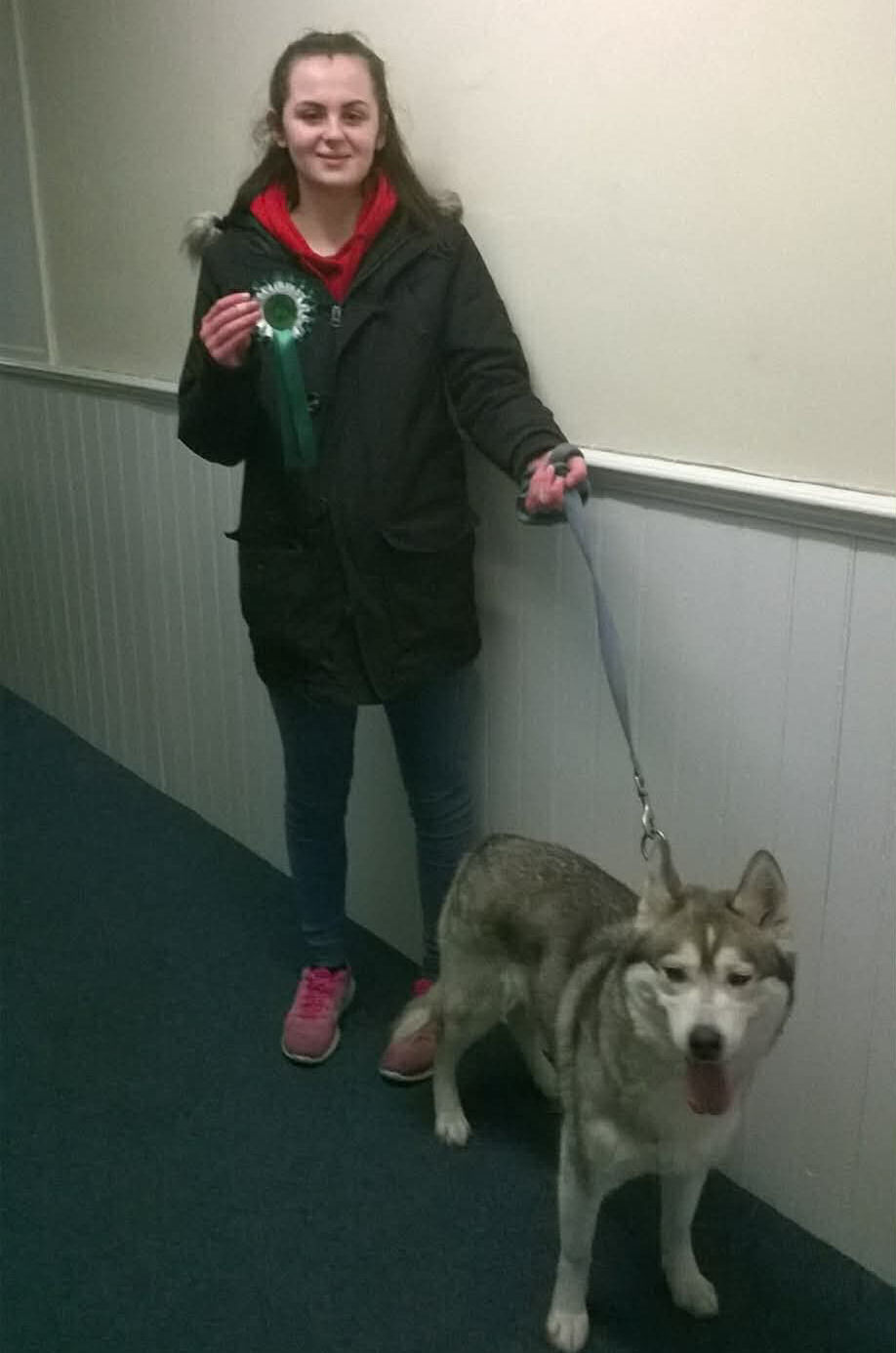
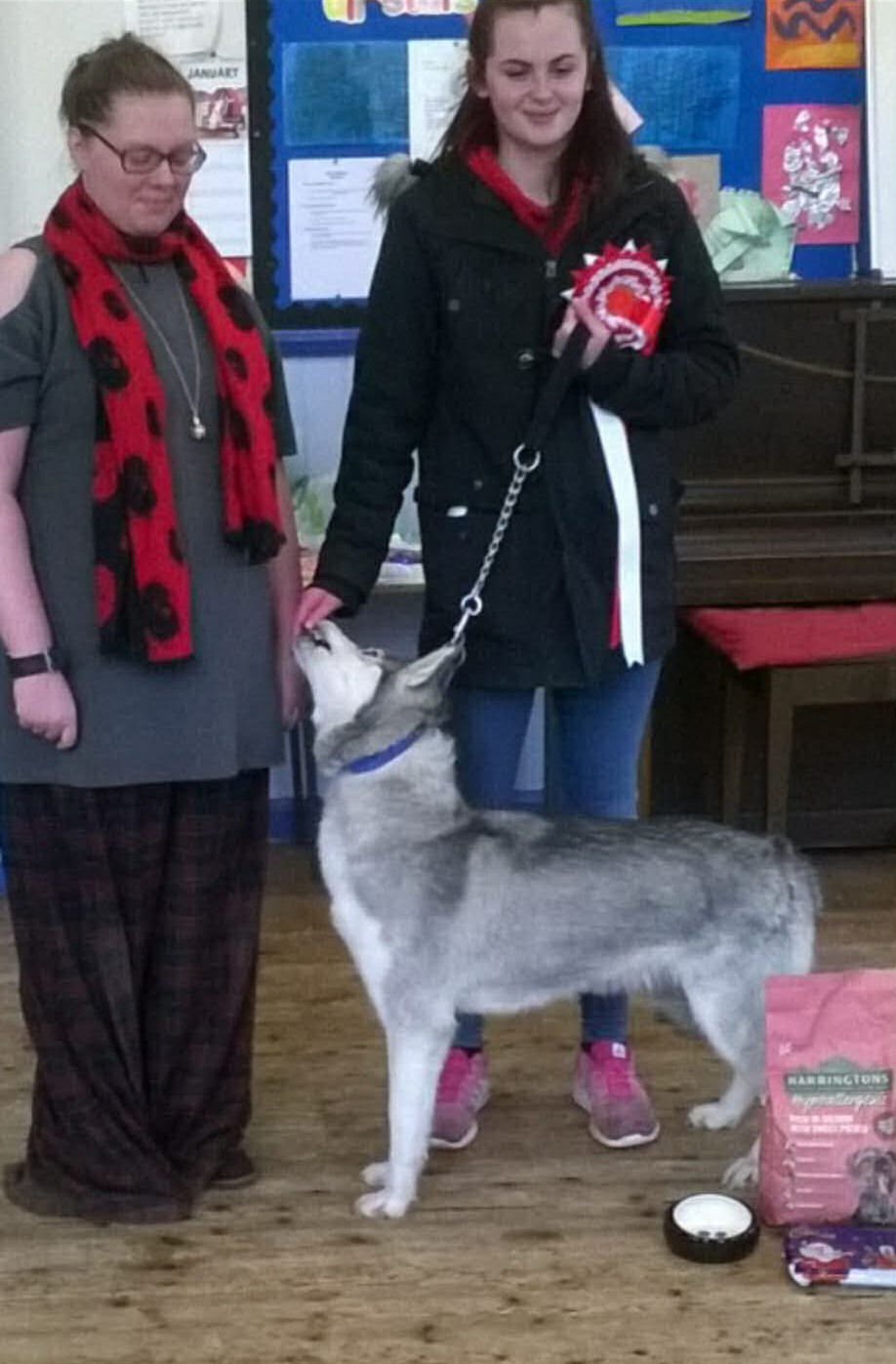
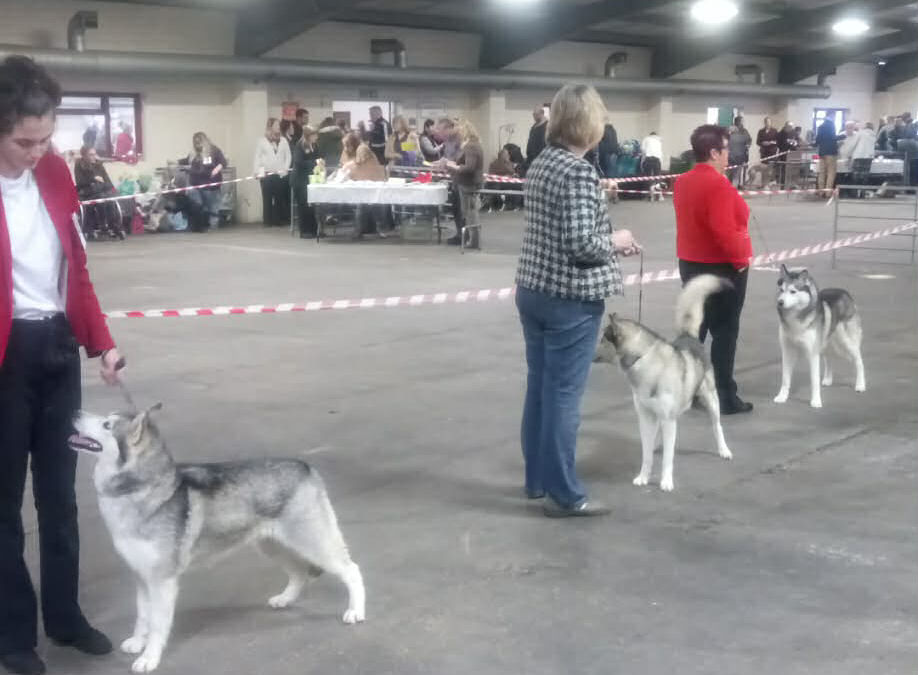
At least once a month, your ringcraft will also hold a match night which is a mini show against the other dogs at the class.

In this, you will go up against one other dog and it is a process of elimination until there is only two dogs left.

An adult and a puppy which will be announced best puppy in match and best in match.

This is not quite the same as an actual dog show.

Your dog can attend ringcraft at any age once it has had all its vaccinations.

You will have to pay for the class, but prices are very low.

Some classes are as little as £2-£4 a dog.

If you would like to take part in the monthly match nights, you will also have to pay a little extra for them and will fill a form in with the dogs information e.g. kc registered name, age, owner.

Performance - What will I learn about the show ring?

At ringcraft you will come across lots of terminology that is used in the show ring. For example:

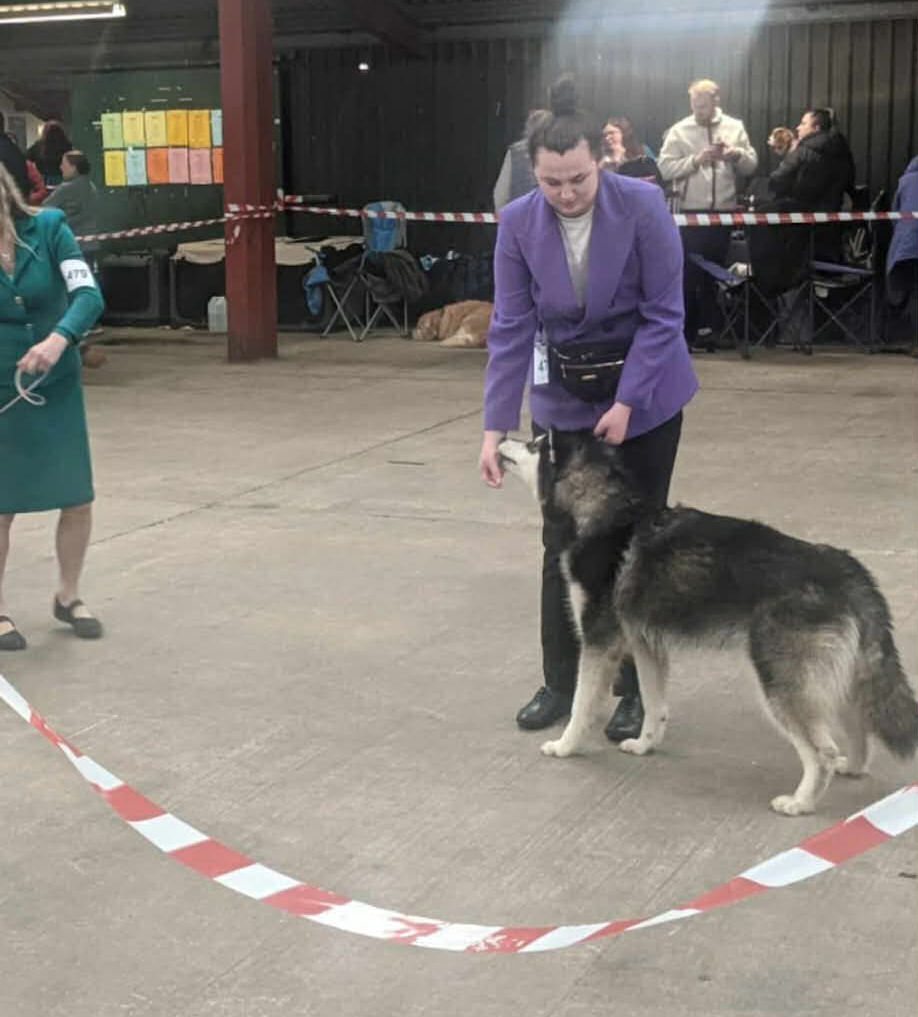
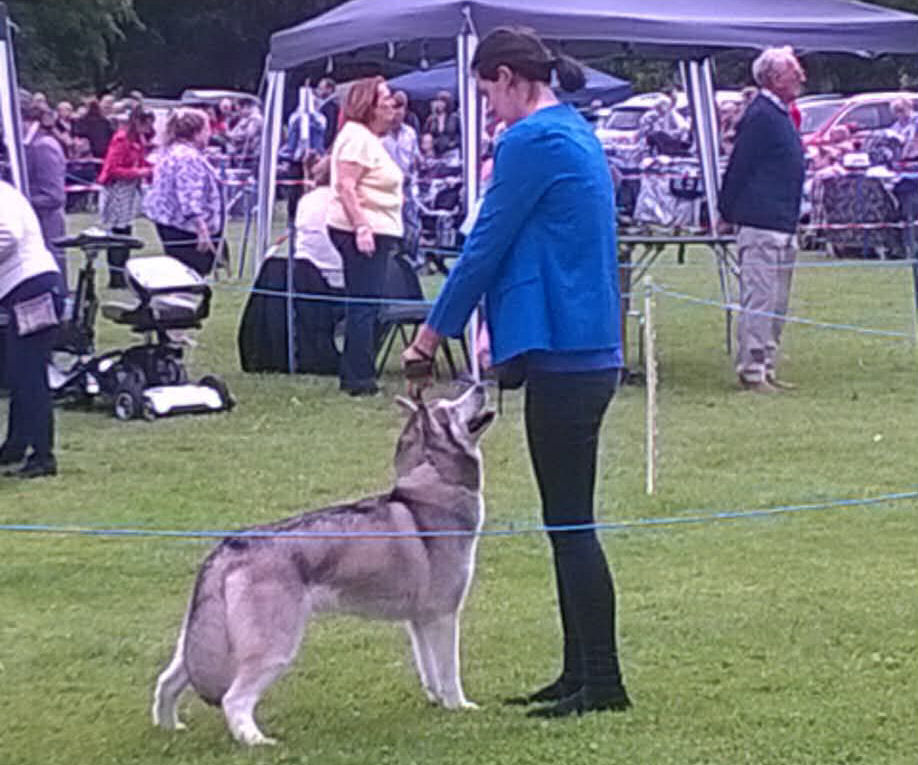
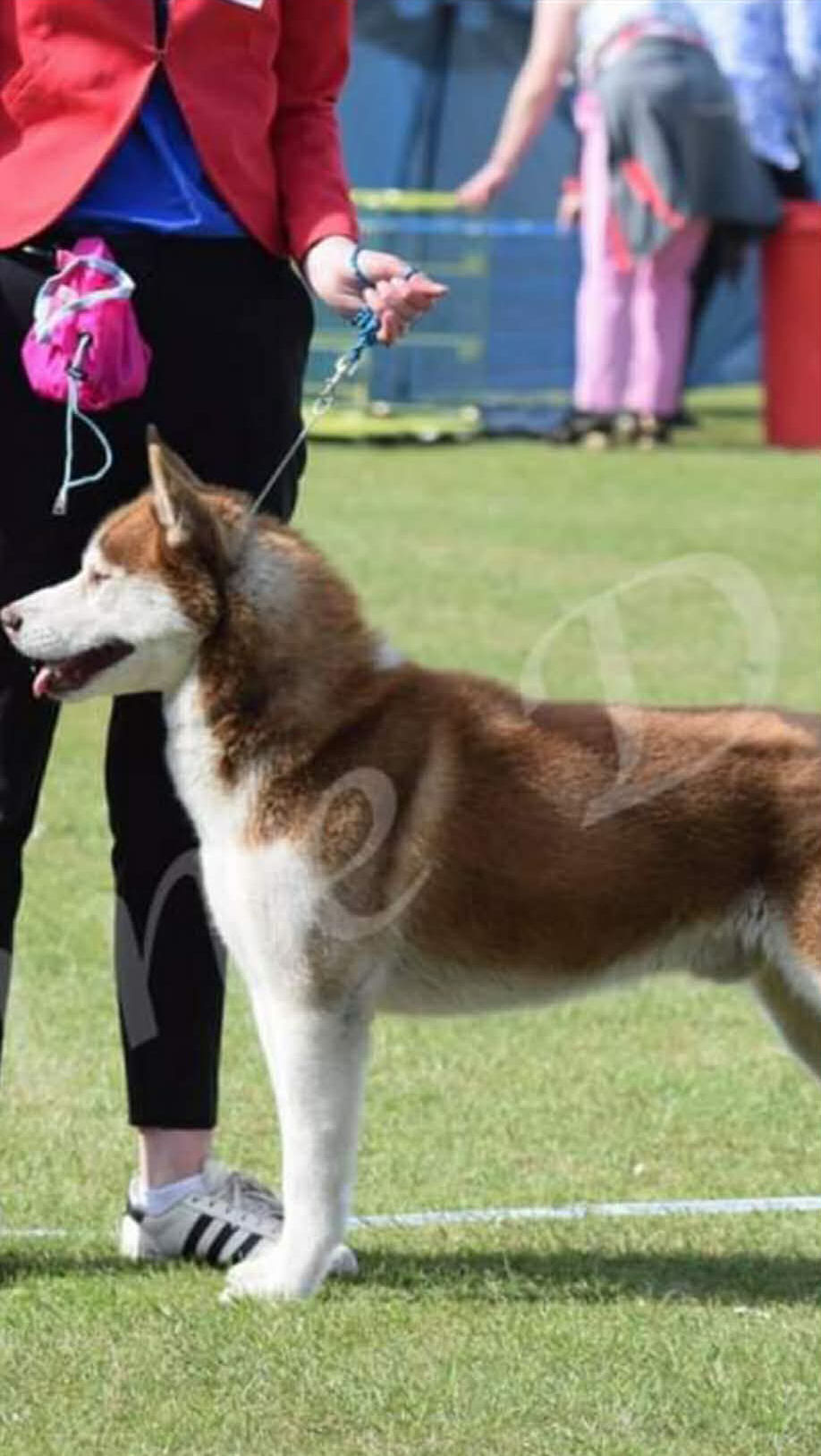
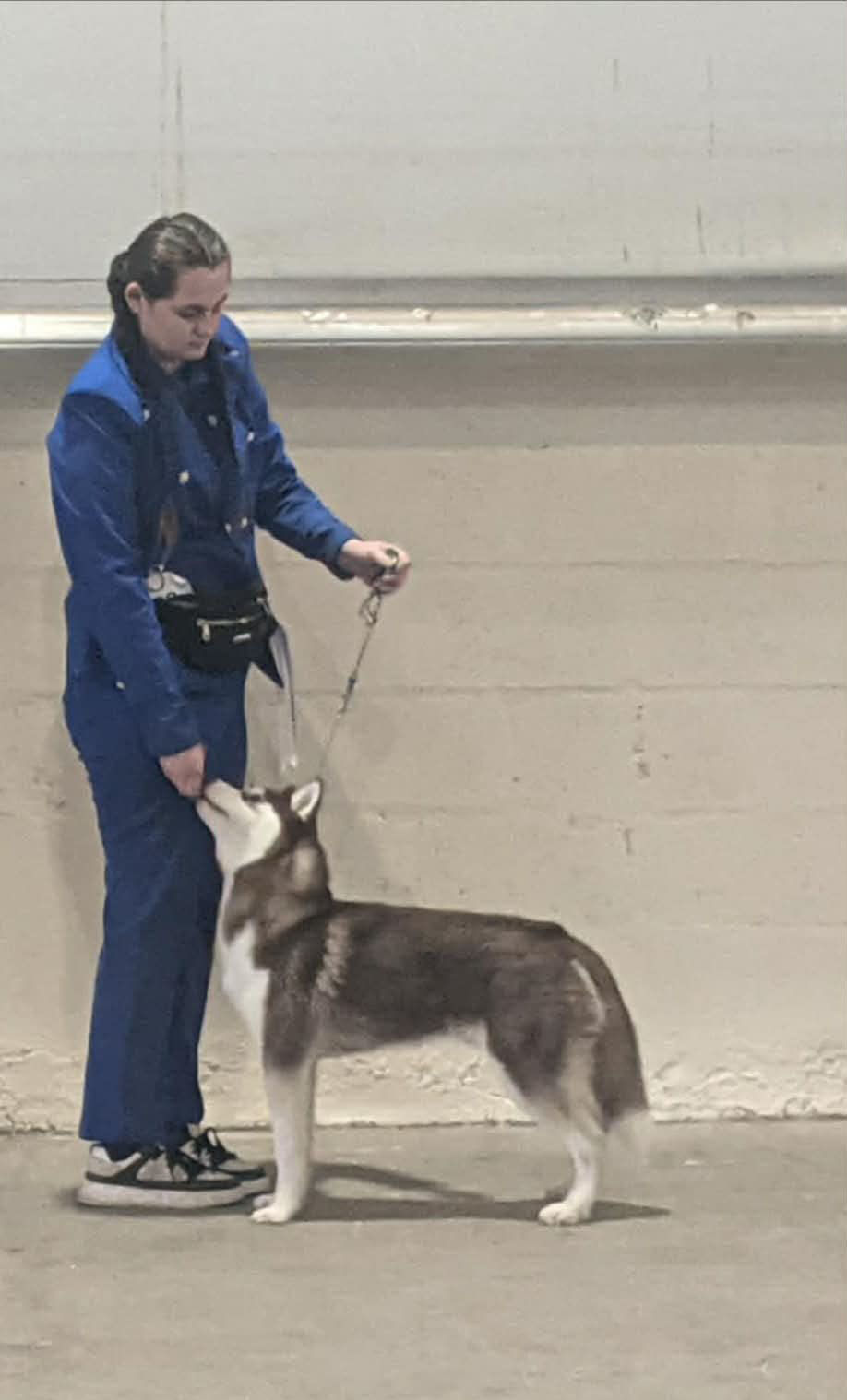
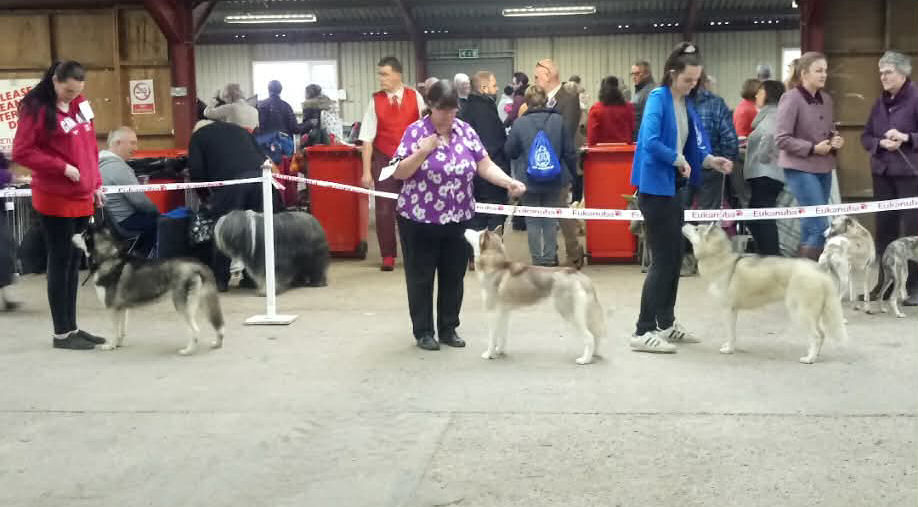
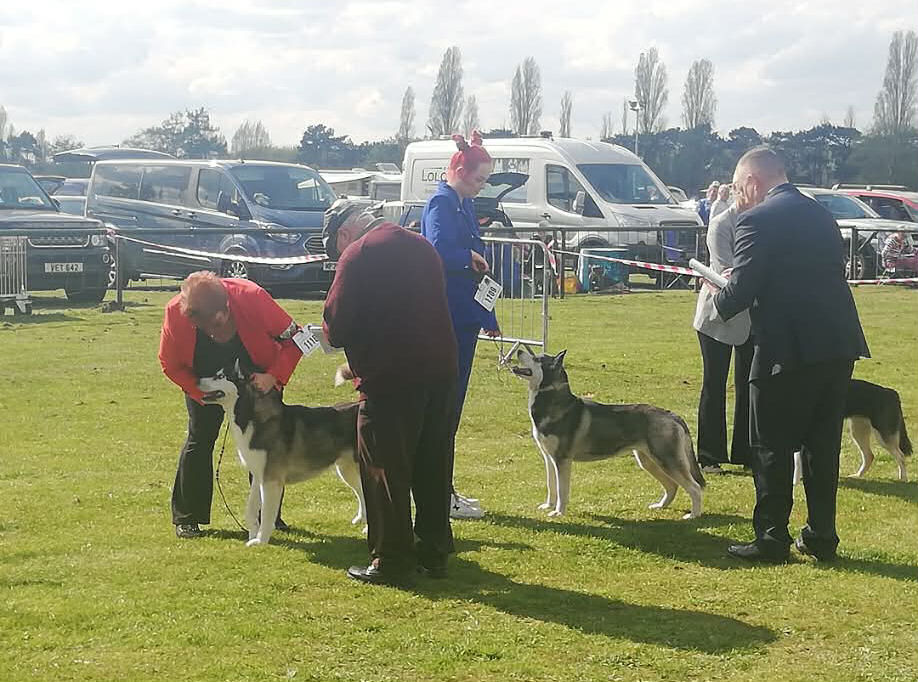
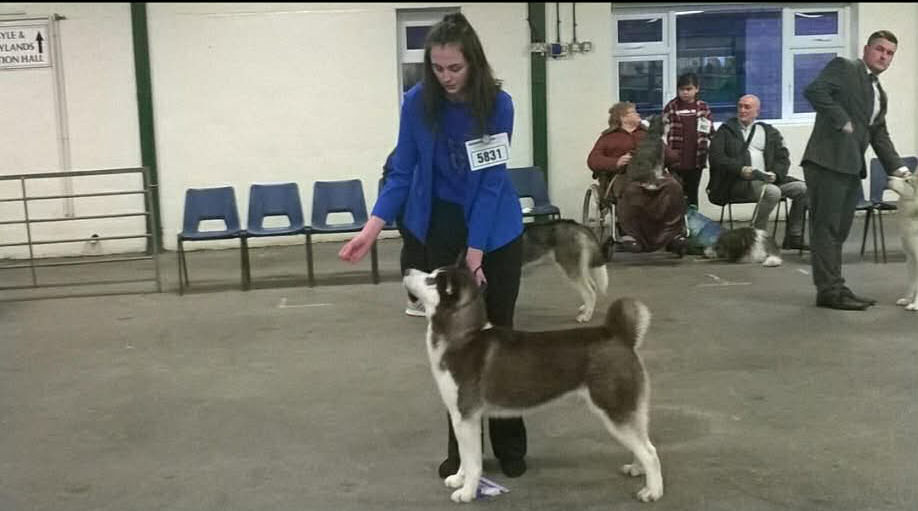
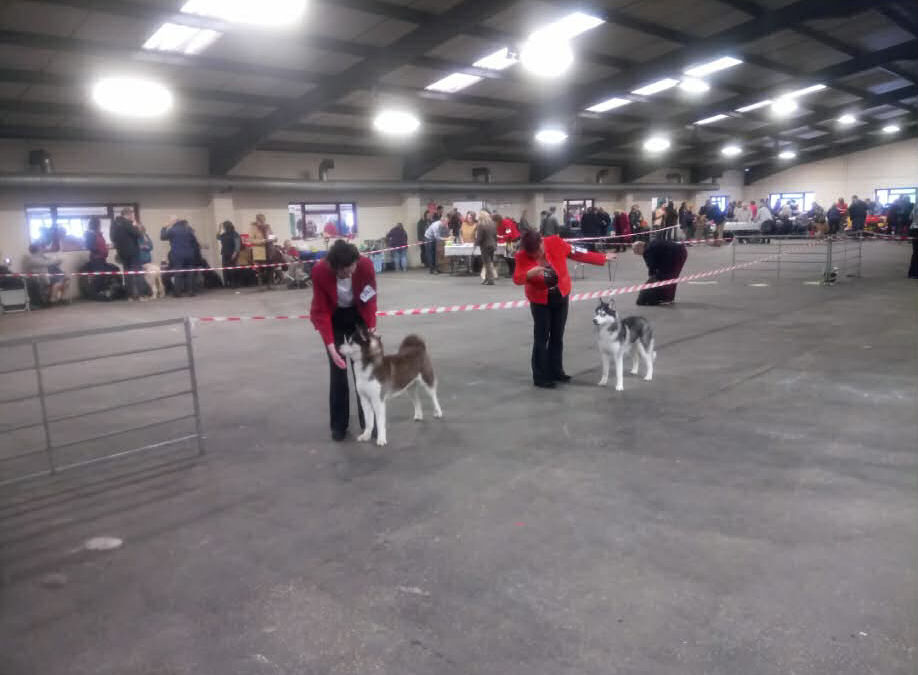
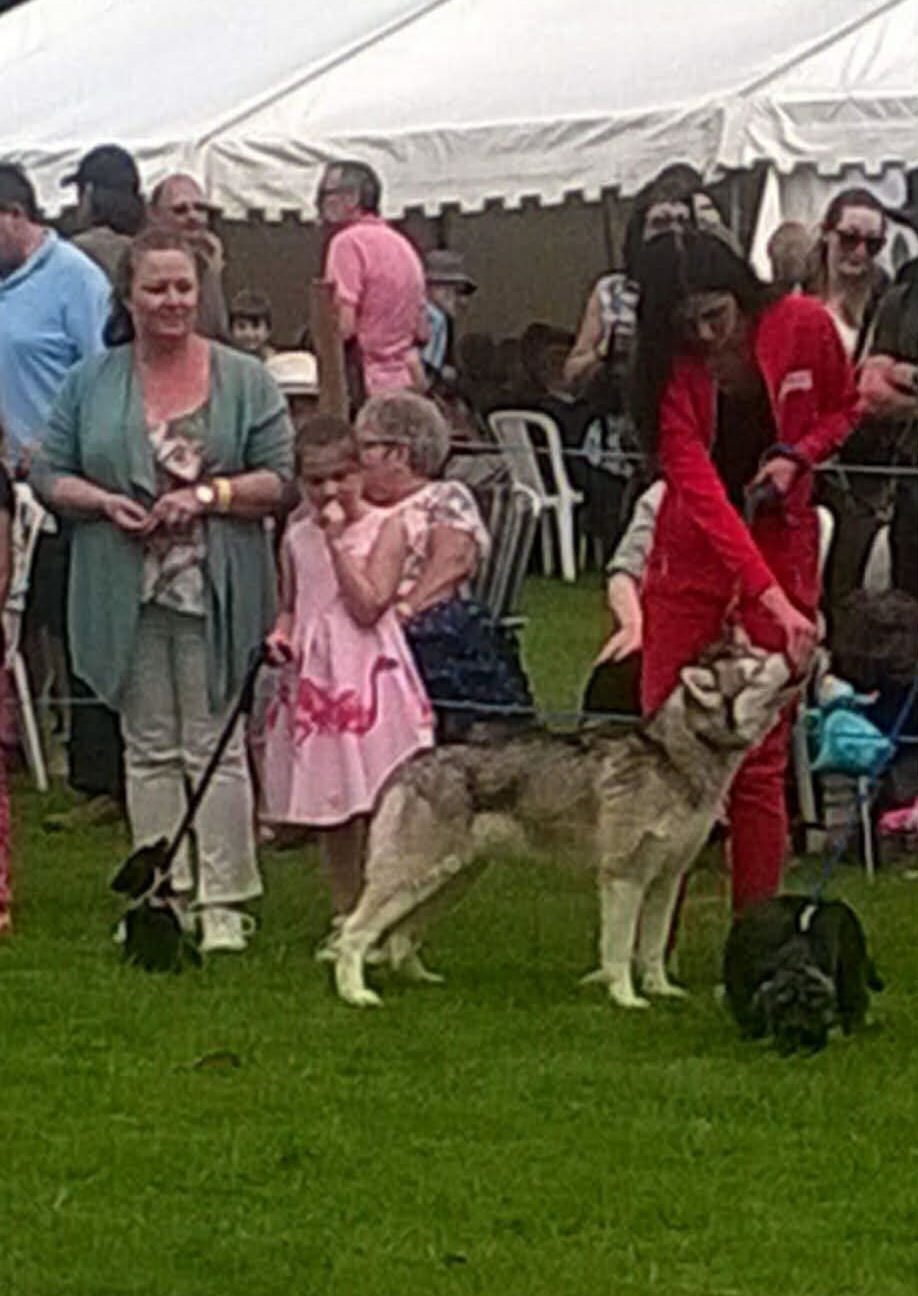
    • Stacking – moving the dogs’ legs so that they are stood in the correct confirmation which is stated in the breed standard. Once you enter the ring, you should stand your dog which may involve stacking your dog. This is so the judge can see the outline of your dog and can judge which dog is closest to the breed standard.
 
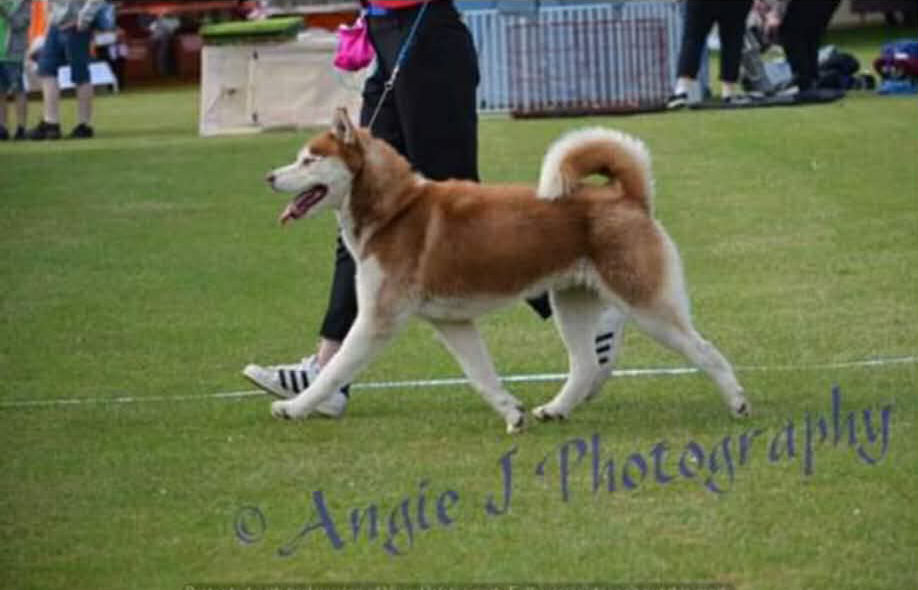
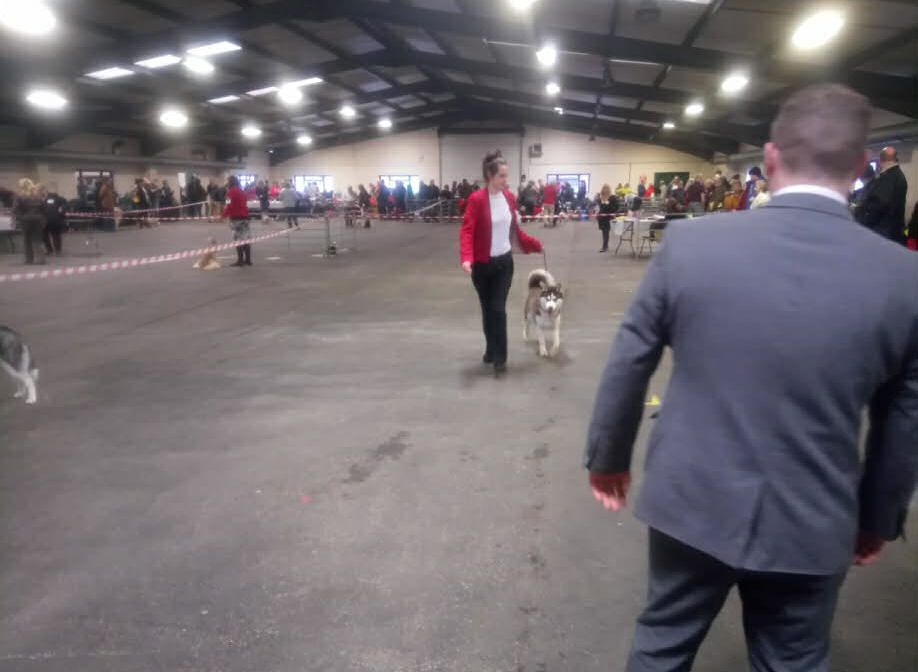
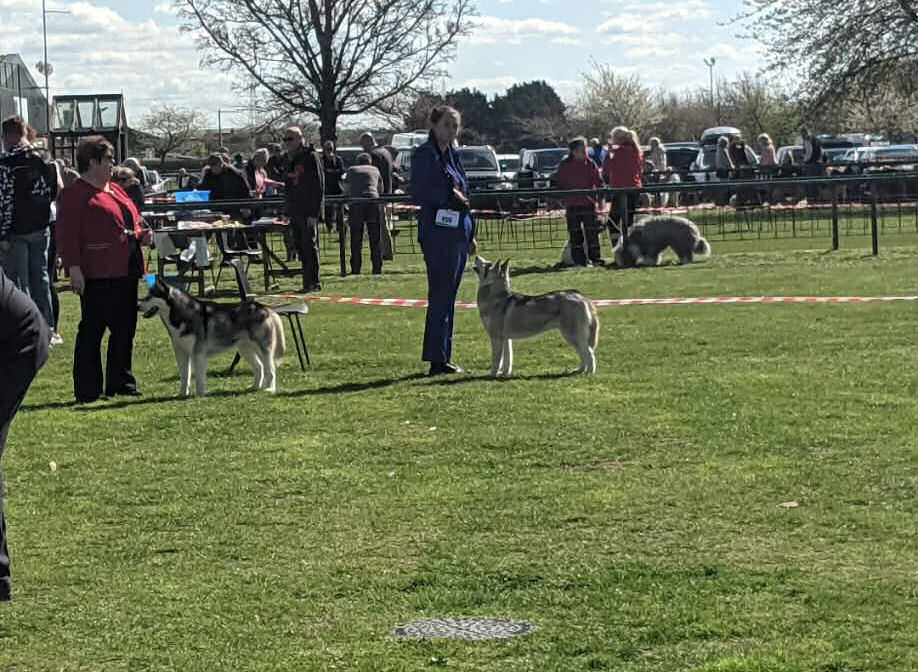
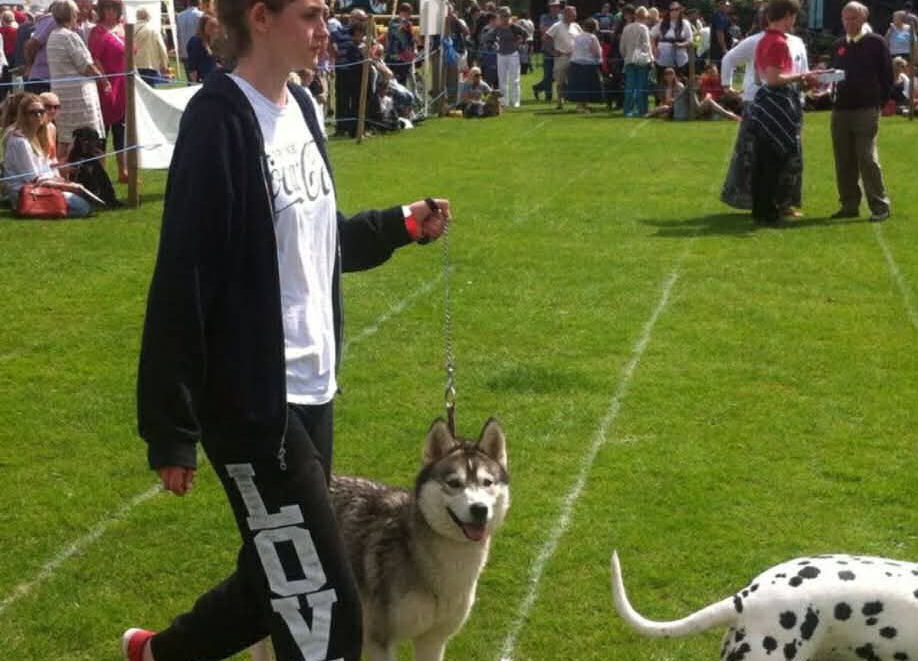
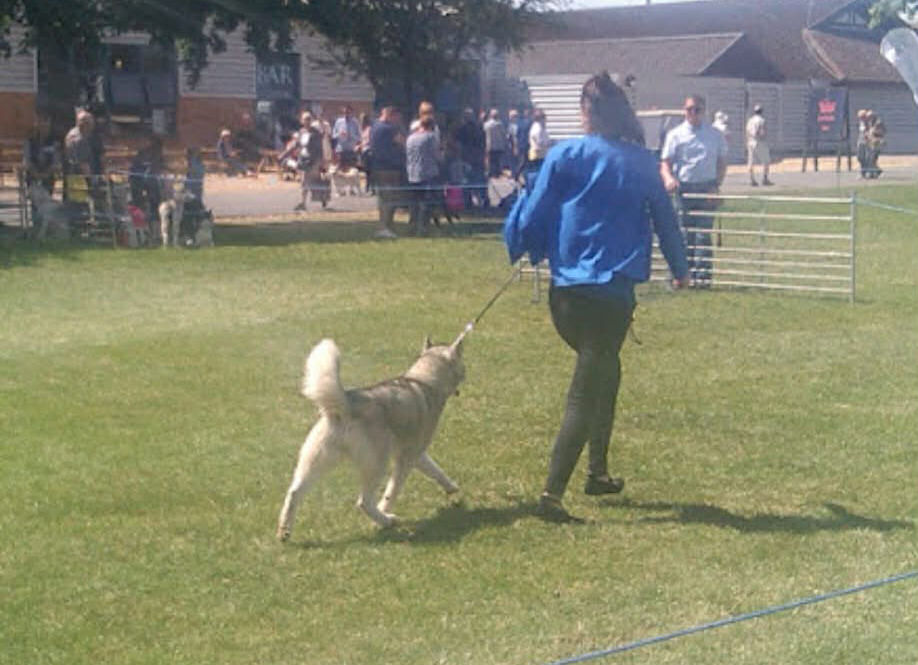
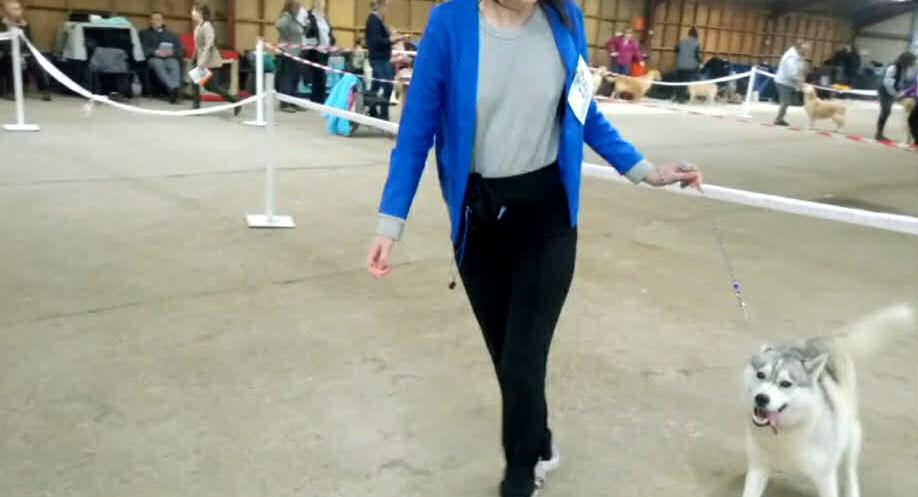
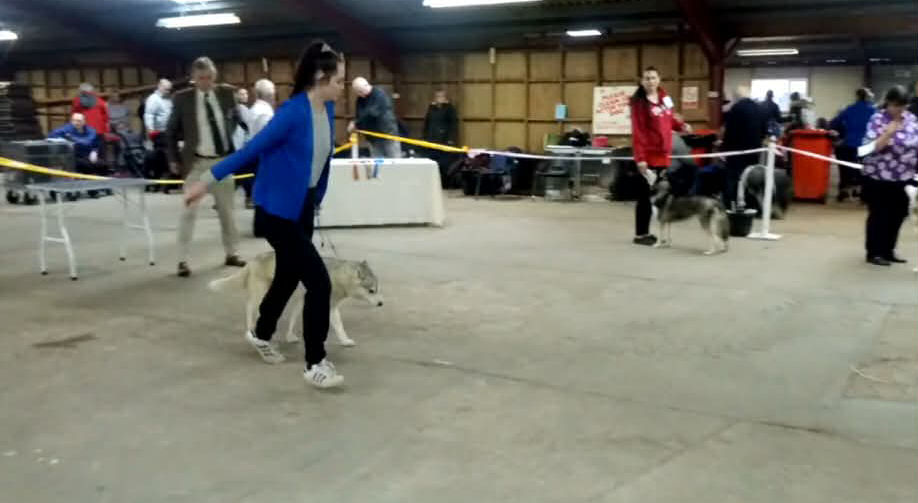
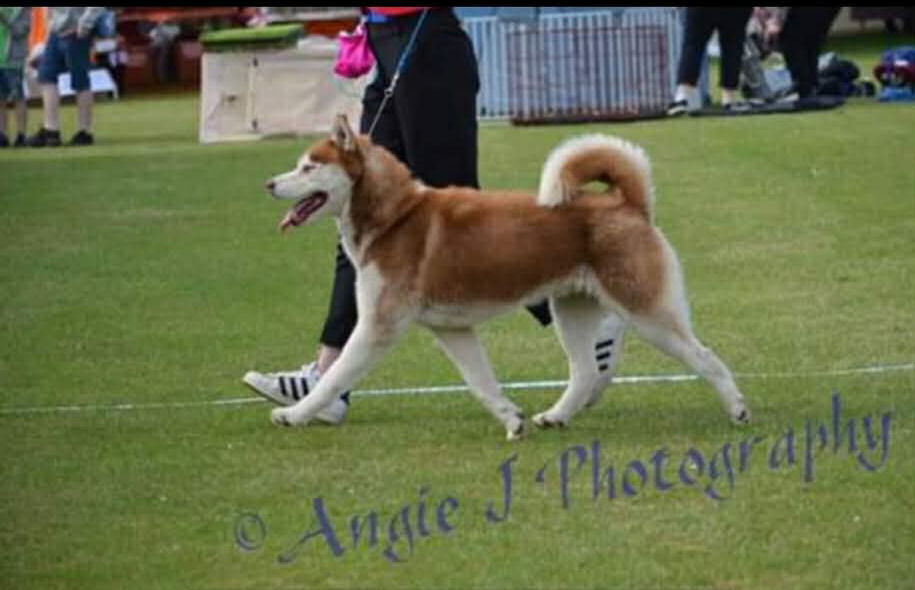
    • On the move – once the judge has viewed the dogs lined up whilst stood in confirmation, they will then ask all the dogs to move together. This will be in a circle and will ask all the handlers to take their dog round a certain number of times that they are happy, this is usually once or twice.
 
    • Presenting to the judge – once the dogs have been around the ring together, you will then take it in turns to present your dog to the judge. This includes stepping out of the line and standing your dog in front of the judge as you did at the start to show confirmation.
 
    • Examination of the dog – When the judge has viewed your dog’s confirmation on its own, they will then examine your dog. The first thing they will do is ask you the age of the dog. They will then go on to examine your dogs ‘bite’ which is the structure of their teeth. For this they will ask you to show your dogs teeth to them. After this they will then begin to feel over your dog to check its build. The number one rule when the judge is looking at your dog is for you as the handler to not get in between the judge and the dog. Therefore, when the judge has looked at the dog’s bite and progresses to examine the rest of the body, you will need to move around the front of the dog.
 
    • On the move (shapes) – after the full examination is complete, the judge will then get you to move around the ring with just you and your dog. The judge will give you several different patterns to complete while on the move. These are shapes in which you will need to create whilst on the move around the ring. For example:
 
    • Circle – the judge may ask you to go around the ring in a circle so that they can see the whole of the dog’s body and movement while on the move. The most important thing to remember again, is not to get between the dog and the judge. For this, you need to make sure that the dog is in your left hand and you shall move anti- clockwise.
 
    • Triangle – another highly popular and usually the first shape you will be given in the ring is the triangle. The judge will ask you to move around the ring in the shape of a triangle so again they can see the dog on the move from several different angles.
 
    • Straight up and down – the straight up and down usually comes after the triangle. This is where you will need to stand in line with the judges’ feet and perform a straight up and down movement with your dog. Finishing also at the judge’s feet but this time in a free stack. This is how the judge can view the dogs’ profile from both the front and back whilst on the move.

    • Free stack – a free stack is where the dog will show its confirmation on its own without the handler moving the dog’s legs. After presenting your dog- after you have been seen by the judge, you will then need to stand at the back of the queue of dogs and again get your dog to stand in confirmation ready for the judge to once again take a look at the dogs confirmation in a line up once all the dogs have been seen.

Types of shows- what are the types of shows and what are the differences?

There are six types of dog shows. These are fun shows, companion shows, open shows, limited shows, premier shows, and championship shows.

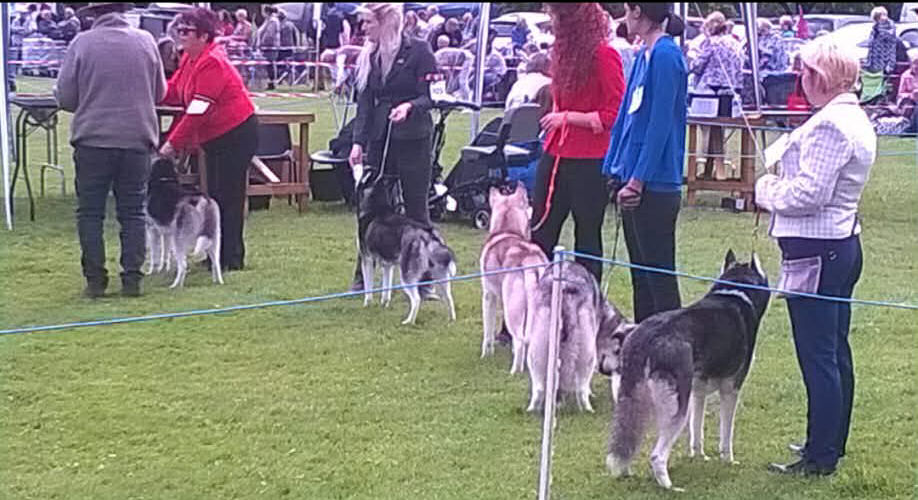
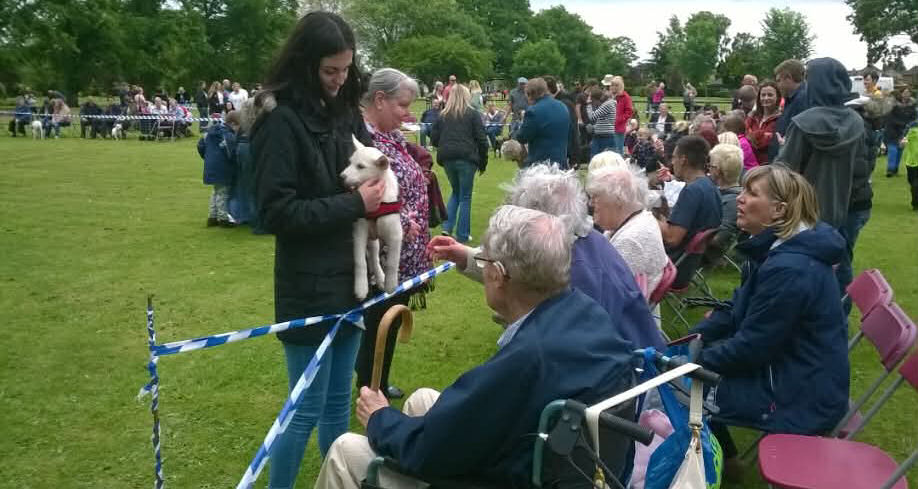
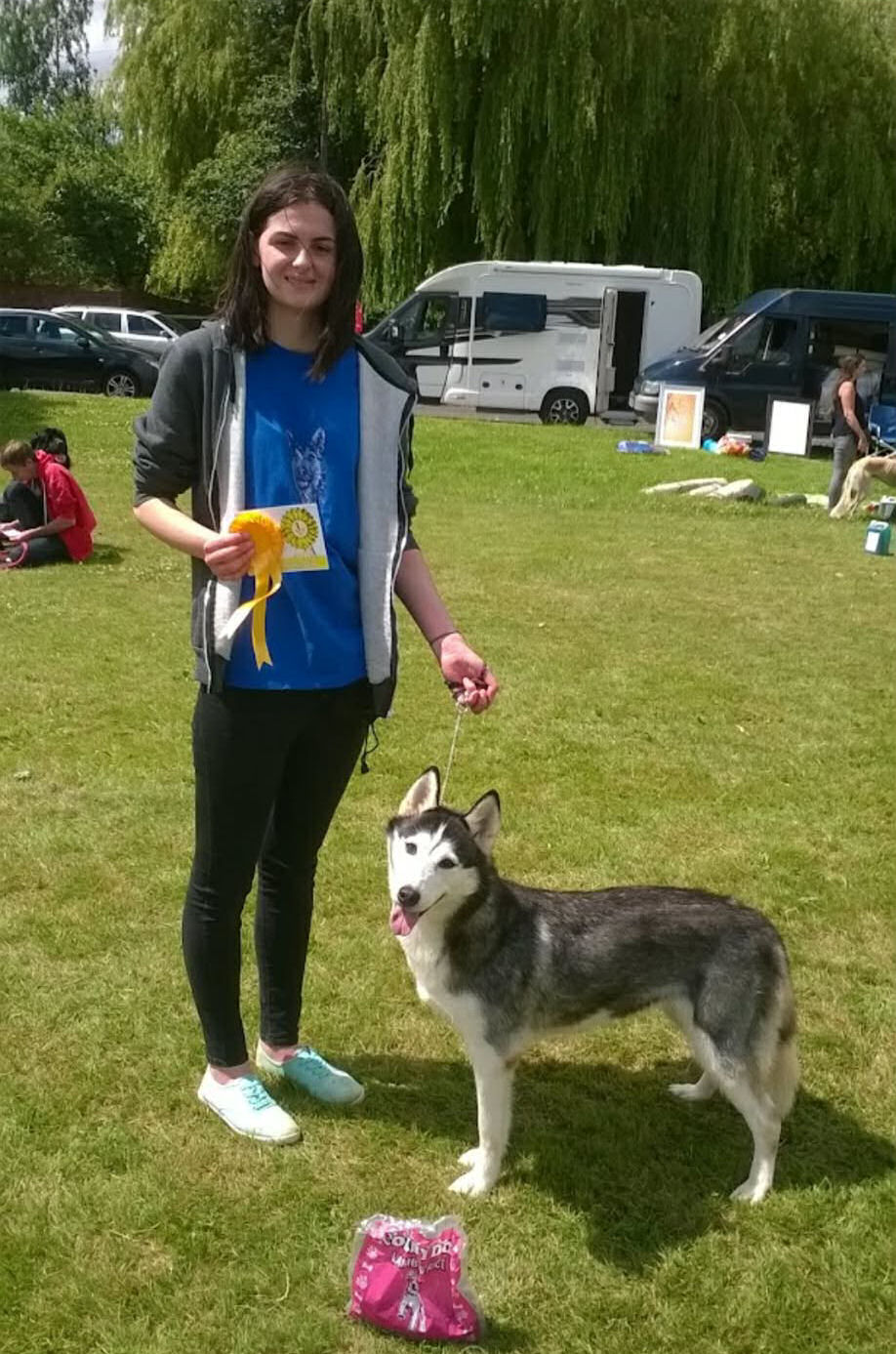
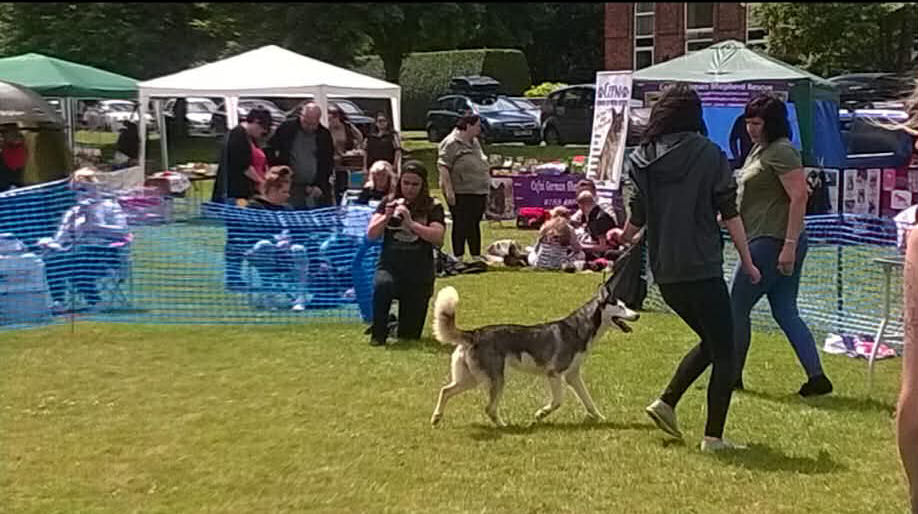
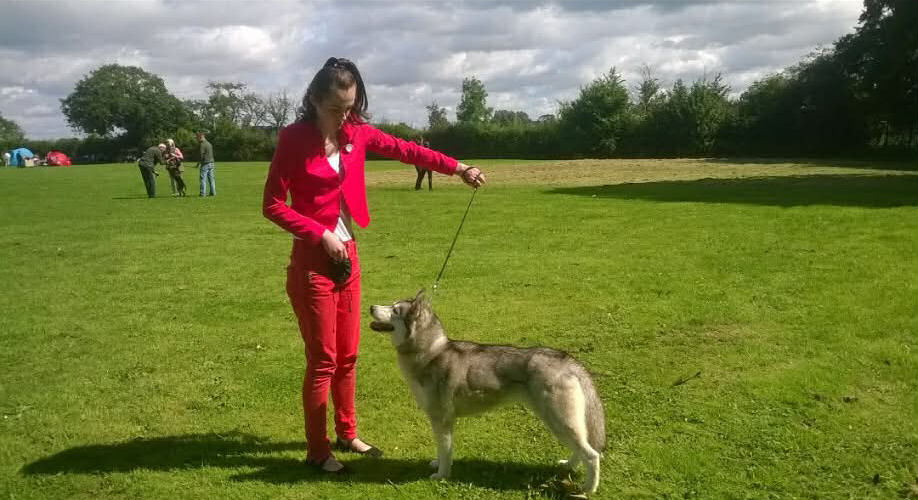
  • Fun shows- fun shows are the best shows to start with if you are wanting to start showing your dogs. These usually take place in the summer and can be mainly found at summer fairs etc. these are very good for you and your dog as they will get you use to being in an open environment with other dogs in a ring and competition setting, they are also a lot less laid back than the other  types of shows so that you don’t feel as much pressure while you are still learning. These are not judged as if it was a real show but will give you an opening into what is like to be in a ring with your dog surrounded by other dogs and handers in a competitive setting.

  • Companion shows- the next stage from a fun show is a companion show. These are slightly different to fun shows as you will be judged as if you are at a real show, but anyone can enter this show and your dog does not need to be kc registered. These will be held in the same type of places as fun shows.

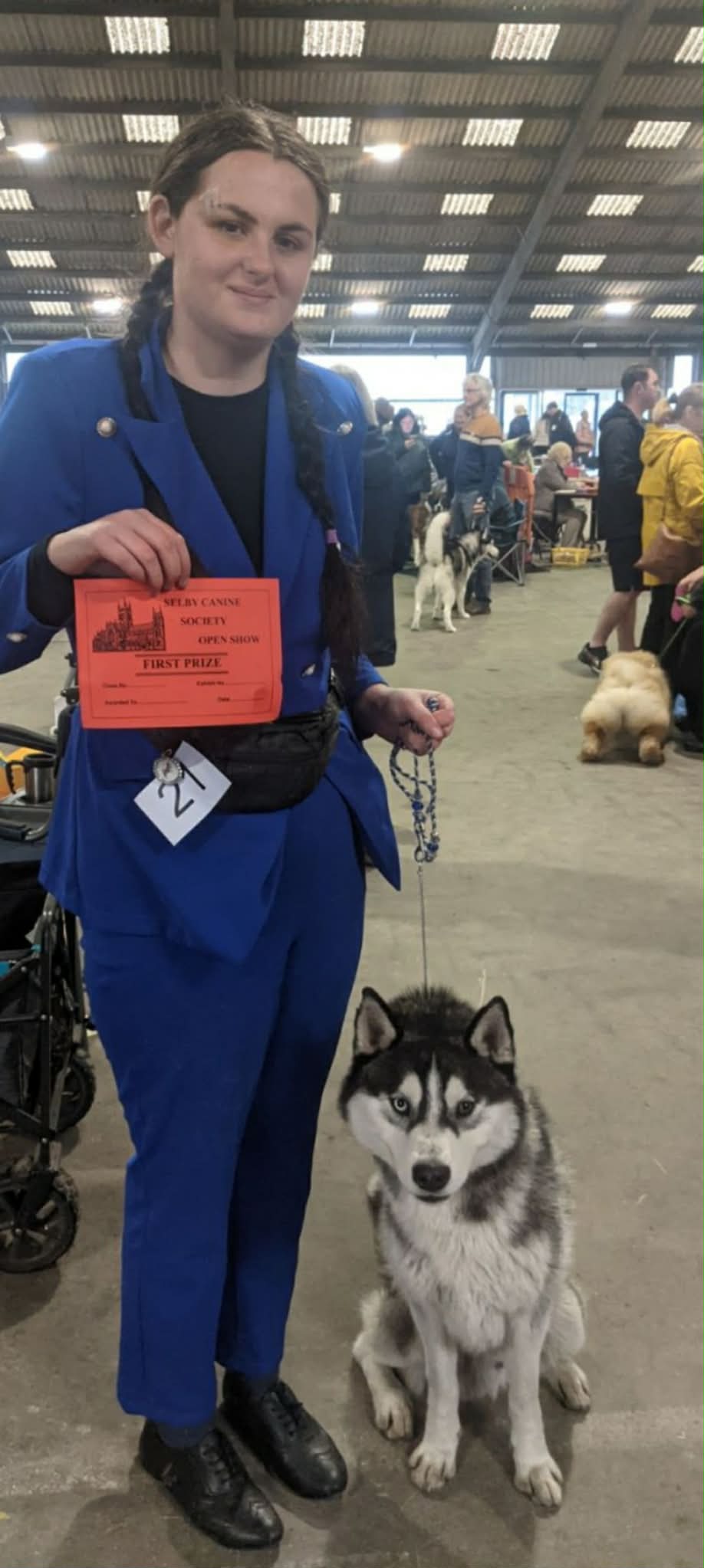
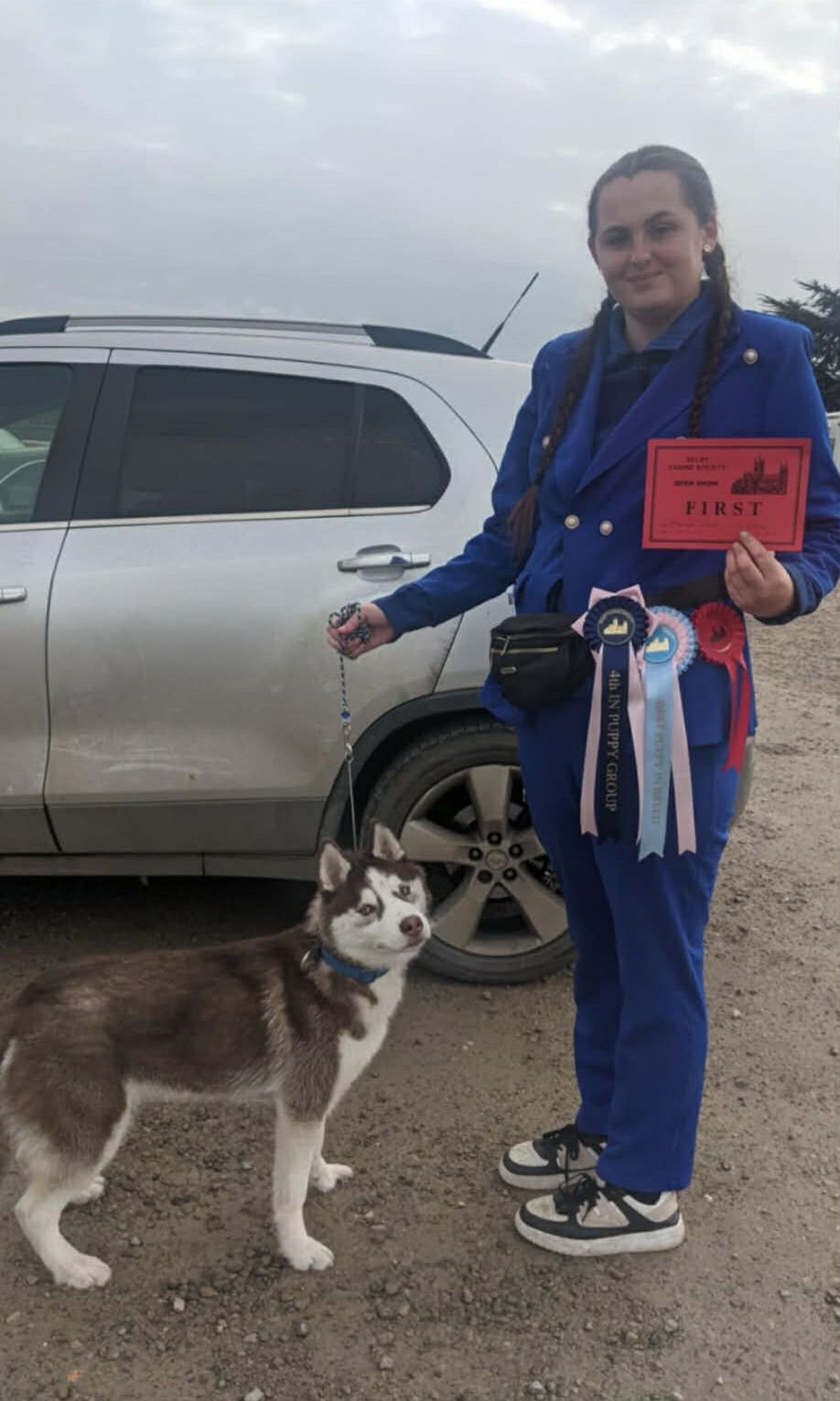
  • Open shows- Open shows are open to any KC registered dog on the breed register. The dog must be at least 6 months old to enter the show. Both dogs and bitches are judged in the same class at these shows. The usual classes are puppy, junior, postgraduate, and open. Puppy and junior classes go off the age of the dog. For example, puppy is dogs aged 6-12 months while junior is 12-18 months. Post graduate class is for dogs who have won no more than 5 first places at a championship show and open class is open to all dogs including puppies and champions.

  • Limited shows- A limited show is a show of which dogs can only enter if they are at a certain level in competing. There is to be no champion dogs at a limit show nor any that have gained a CC at a championship show. These shows are limited to members of groups, or sometimes singular breeds. For example, the Siberian husky club may hold a limited show and you would only be able to enter the show if you are a member of that club. The singular breed limited shows are for all the same breed of dog to compete against each other, e.g. only Alaskan malamutes would be able to compete at an Alaskan malamute show.

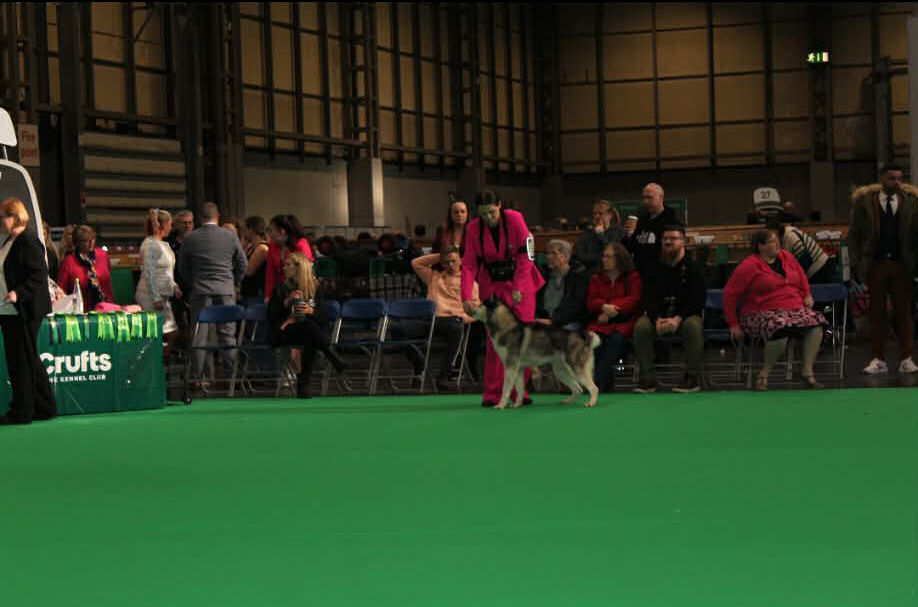
  • Premier show- a premier show is very similar to an open show and is open to all kc registered dogs on the breed register, however this show gives you more of an opportunity to quality for Crufts as if you place in the top 4 groups of your group, e.g. working group, you will qualify for Crufts.

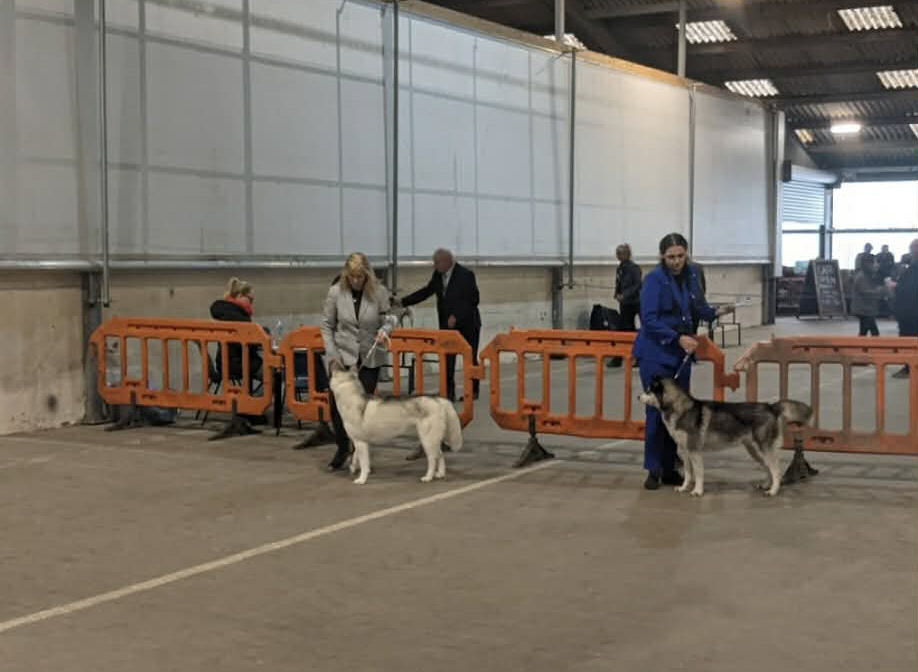
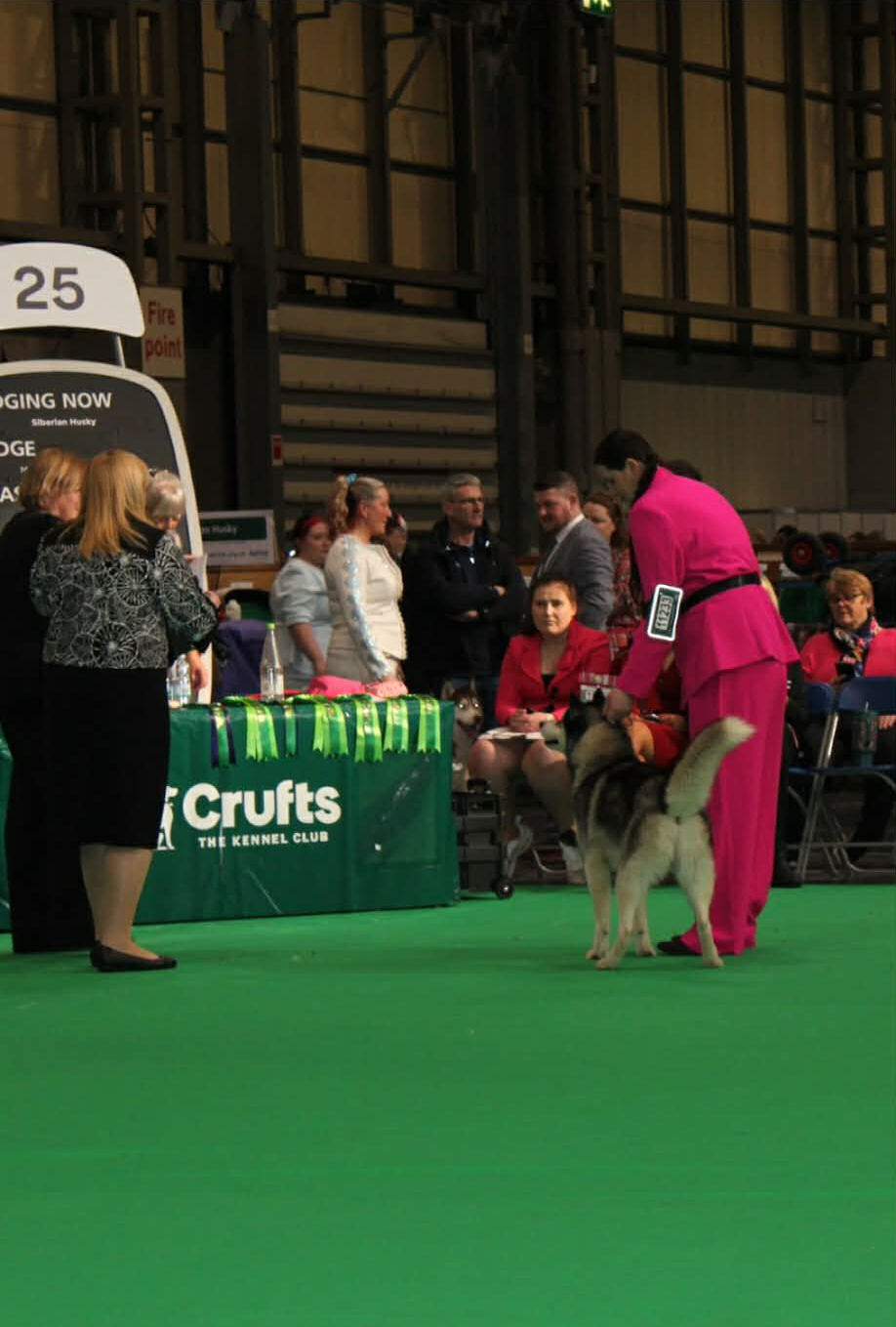
  • Championship shows- championship shows are open to all kc registered dogs on the breed register but are different to the other shows. Dogs and bitches are judged separately at these types of shows, with the dogs competing first. There are also more classes at a championship show for both dog and bitch. These will again usually go off the age of the dog or the amount of first places the dog has previously won. The age of your dog will go from the first day of the show as these types of shows are held over several days compared to the other shows which are only held on one day.  You will attend the show on which ever day your group is on. For example, sled dogs such as huskies, malamutes and Greenland dogs are all part of the working group so they would compete on the day the working group is on. Samoyeds are part of the pastoral group so they would compete on the same day as the pastoral group is on however working and pastoral groups are usually held on the same day.
You will first compete in a breed class; you may enter more than one class if you wish. Dogs and bitches will be separated, and the dogs will compete in their respective classes first followed by the bitches.

Once all the dogs have competed in their class, the steward of your class will then call back all unbeaten dogs who have won 1st place to compete for a CC- challenge certificate. If you enter more than one class, come 1st in your 1st class but then 2nd or less in another class, you will not be able to compete for a CC as you will have been beaten by another dog which came 1st in that class. The same will then happen with the bitches until they have picked a best puppy bitch, best puppy dog, best adult dog, best adult bitch, best veteran dog, and best veteran bitch. The puppies will then compete against each other to win best puppy in breed. The same goes for the adults followed by the veterans. The winners will then be awarded best puppy in breed, best of breed and best veteran in breed.

Those winners will then go through to the groups, either working or pastoral depending on the breed of your dog. They will then compete against all the other best of breed dogs who also fall under that group. For example, the best of breed puppy will go against the best of breed boxer as they are both in the working group. The best of breed Samoyed will go against the best of breed border collie as they are both under the pastoral group. This is the same for puppy, adult, and veteran. The winners of each group then go against each other in best in show until eventually there is an overall best puppy in show, best in show and best veteran in show.

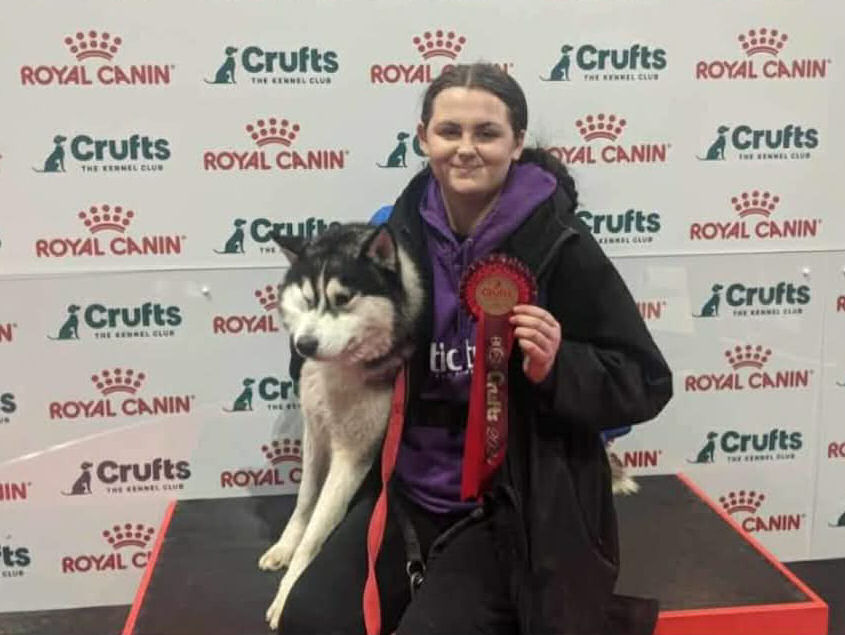
This is the show where you qualify for Crufts. Each dog that places in the top three of the breed class will qualify for Crufts. These shows will also be benched. This means your dog will have an allocated space when you get to the show where you will wait before you go in the ring.

What do I need to enter a show?

  • Entry fees- entry fees vary depending on the type of show you are entering. Open shows range from around £3-£7 per dog whereas championship shows are around £25-£30 per dog where CCs are on offer. These must be paid for either online or by postal well before the day of the show.
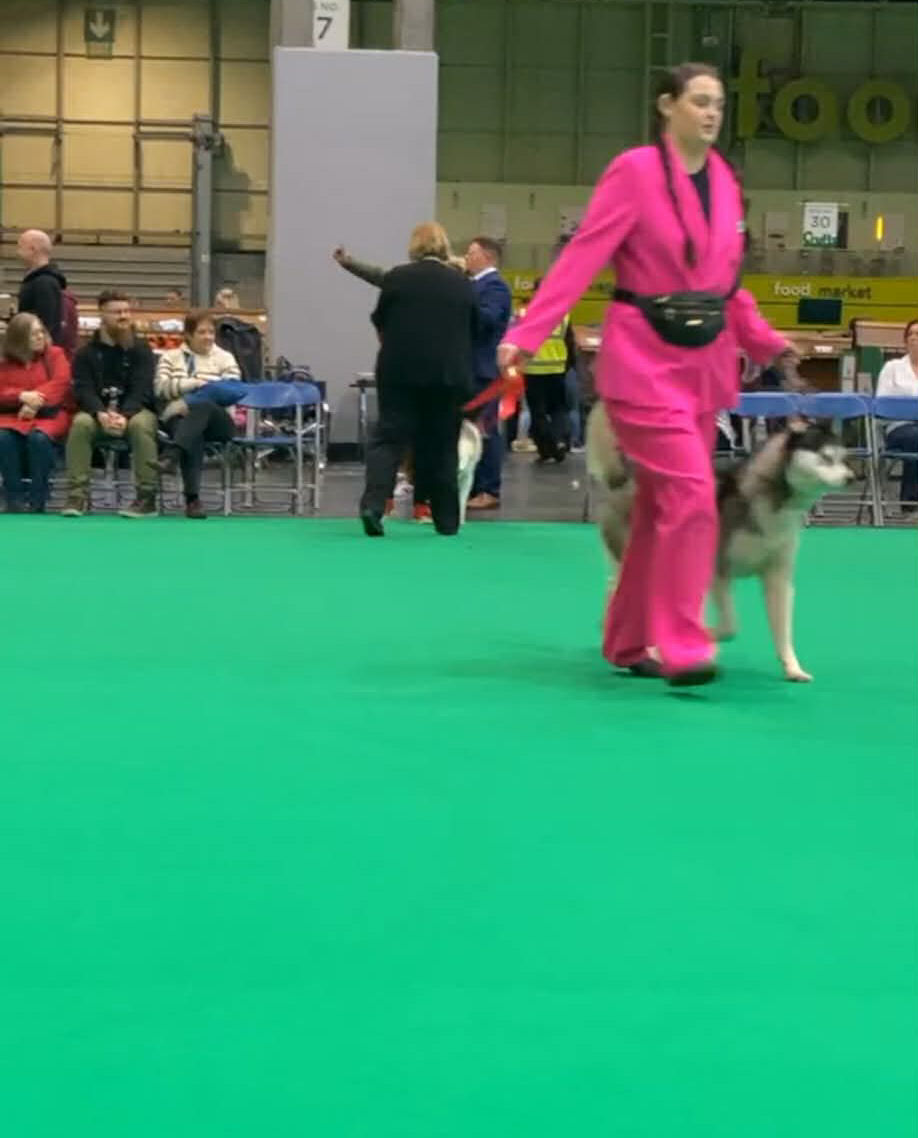
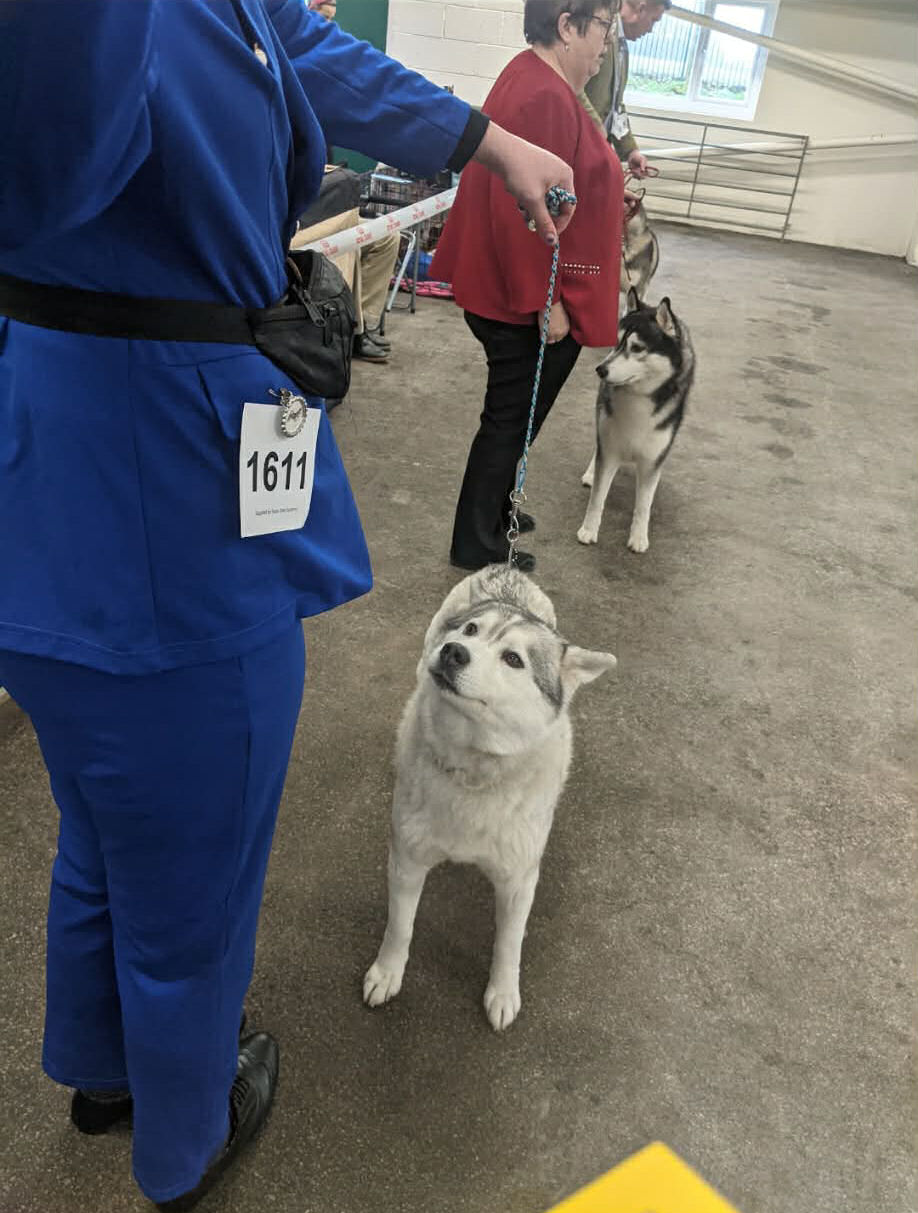
  • Pack a bag- you will need to take a bag of essentials to a show. This may include things like your show collar and lead (usually a snake chain and show lead) water, treats (these can range from dog biscuits to cocktail sausages or cheese or ham, anything your dog likes, the smellier the better), a suit for the handler with appropriate footwear that is easy to move in, bench chains (if at a championship show)

Additional Terminology

Age of the dog – your dog MUST be at least 6 months of age on the first day of the show. There is no limit of the age after that.
Open Show Classes

  • Puppy – a dog or bitch aged between 6-12 months on the day of the show
  • Junior – a dog or bitch aged 12-18 months on the day of the show
  • Postgraduate – a dog or bitch that has won 5 or less 1st places at championship level.
  • Open – open to any dog or bitch including champion dogs or dogs with CC’s.

Championship Show Classes

  • Minor puppy dog – a dog aged 6-9 months
  • Minor puppy bitch – a bitch aged 6-9 months
  • Puppy dog – a dog aged 9-12 months
  • Puppy bitch – a bitch aged 9-12 months
  • Junior dog – a dog aged 12-18 months
  • Junior bitch – a bitch aged 12-18 months
  • yearling dog – a dog aged 12-24 months
  • yearling bitch – a bitch aged 12-24 months
  • novice dog – a dog who has not won more than 3 1st places at championship level
  • novice bitch – a bitch who has not won more than 3 1st places at championship level
  • graduate dog – a dog who has not won more than 4 1st places at championship level
  • graduate bitch – a bitch who has not won more than 4 1st places at championship level
  • post graduate dog – a dog who has not won more than 5 1st places at championship level
  • post graduate bitch – a bitch who has not won more than 5 1st places at championship level
  • limited dog – a dog that is not a show champion and has not won more than 7 1st places at championship level
  • limited bitch – a bitch that is not a show champion and has not won more than 7 1st places at championship level
  • open dog – open to all kc registered dogs on the breed register
  • open bitch – open to all the kc registered bitches on the breed register
  • AV – any variety
  • AVNSC – any variety not separately classified
  • NFC – not for competition (for dogs who are only spectators)

Awards

  • BIS – Best in show
  • BPIS – best puppy in show
  • BIG – best in group
  • BOB – best of breed
  • RBOB – reserve best of breed
  • BV – best veteran
  • BPIB – best puppy in breed
  • BB – best bitch
  • BD – best dog
  • BOS – best of sex
  • G1/2/3/4 – group 1/2/3/4
  • CC – challenge certificate (a dog that wins best dog or best bitch will receive a CC. You need three to make your dog a champion)
  • RCC – reserve CC (the dog that would compete in best of breed if for whatever reason the dog gaining the CC could no longer compete)
  • JW – junior warrant (an award gained by dogs aged 6-18 months. You need 25 points to gain one, once gained you will qualify for crufts for life. Points are gained by placing e.g. 1st place- 3 points, 2md place- 2 points, 3rd place- 1 point)
  • CH – champion (a dog which has gained three or more challenge certificates)

Handling

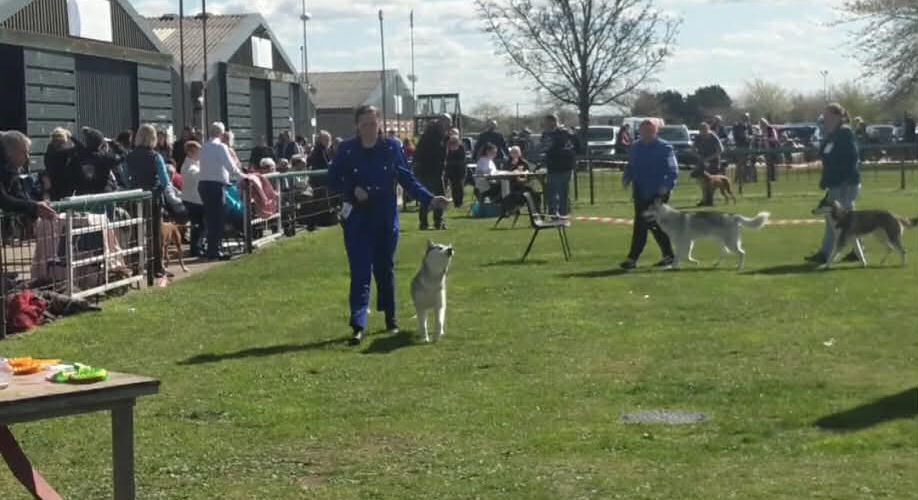
As well as the breed classes which concentrate solely on your dog, there are also handling classes which concentrate on you as a handler. There are different types of handling classes. The most popular type of handling class is YKC (young kennel club) handling classes. To enter a YKC handling class you must be aged between 6-24 years. The classes are split into different age groups and different dog groups. For example, a 20-year-old handler with a Siberian husky would compete under the 17-24 years working group. The YKC holds two different types of handling classes. These are handling and stakes. Handling focuses only on the handler’s ability and not on the dog whereas stakes are judged on the dog also.

There is also junior handling and adult handling. These also fall under age and group categories.

If you place in the top 3 under the YKC classes, you will receive points. 1st place is 30 points, 2nd place is 15 points and 3rd place are 10 points. You need 30 points to qualify for Crufts in YKC handling and stakes. If it is handling you are competing, you do not have to show the same dog every time, but it must come under the same group, e.g. working group, however in stakes it must be the same dog and you must place 1st in order to qualify for Crufts. In handling,  You can collect points on several occasions, for example, if you place 2nd at one show and gain 15 points and then 2nd again at another show to gain a further 15 points, these will be added together to allow you to qualify, you do not have to get all the points on the same day.

For adult and junior handling, if you place in the top 3 you may qualify for the Handling Finals which are held later in the year.

Although, these are not on offer at every show.
Again, all handling entry fees must be paid for in advance and not on the day of the show.